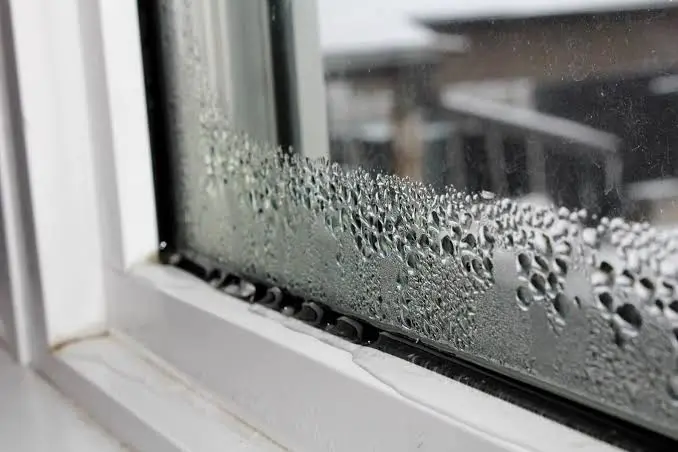
You wake up on a cold morning and the inside of your bedroom window is dripping wet. The sill is damp, the curtains feel cold and there are tiny black spots forming in the corner of the frame. If this sounds familiar, you are not alone. Learning how to stop condensation on windows is one of the most useful home skills for autumn and winter in the United States, the United Kingdom, Europe and the cooler parts of Australia.
The good news is that you can fix most condensation problems with simple habits, a little airflow and a few low cost tools. This guide explains why it happens, what to do today and when to call a professional.
Quick answer: To stop condensation on windows, reduce moisture in the air and increase airflow. Use extractor fans or open a window while cooking and showering, dry clothes outside or in a vented space, keep indoor humidity between 30 and 50 percent, wipe windows each morning and heat your home evenly. A dehumidifier can help in damp rooms.
What Is Window Condensation and Why Does It Happen?
Condensation is simple science. Warm air holds more water vapour than cold air. When that warm, moist air touches a cold surface such as a window pane, it cools quickly and releases the water as tiny droplets. That is why windows get wet on cold mornings, and why bathroom mirrors steam up.
Everyday life adds a surprising amount of moisture to your home. Breathing, cooking, showering, boiling a kettle, drying laundry and even houseplants all release water vapour. A family of four can add many litres of water into the air each day. If that moisture has nowhere to go, it settles on the coldest surfaces first, usually windows.
Is window condensation bad?
A little condensation on cold days is normal. But if it happens every day, soaks the sill or leads to mould, it is a sign of too much moisture or poor ventilation. Over time, damp can stain walls, damage wooden frames, peel paint and cause musty smells. Mould can also affect people with asthma, allergies or weak immune systems.
Inside, outside or between the panes?
Where the water appears tells you what is going on.
- Inside the window: This is the most common type. It means indoor air is humid and the glass is cold.
- Outside the window: This is usually a good sign with modern double glazed windows. It means the inner pane is warm and holding heat well. It often shows up on clear, cool mornings.
- Between the panes: This means the seal on a double or triple glazed unit has failed. Moisture has leaked into the gap. Cleaning will not fix it, and you may need to replace the sealed unit.
Image slot 1 goes here: a window with condensation droplets on a cold morning (see Image Details below).
How to Stop Condensation on Windows: 15 Easy Fixes
Start with the free and simple tips, then add tools if you need them.
1. Wipe your windows every morning
Use a microfibre cloth or a window vacuum to remove water before it soaks into the frame. This is the fastest fix and protects the sill and seals. Wring the cloth into a sink instead of letting the water drip onto the floor.
2. Open a window for a few minutes each day
Even in cold weather, opening a window for 5 to 10 minutes lets damp air escape and fresh air in. Open windows on opposite sides of the home if you can, which creates a quick cross breeze. This is often called purge ventilation, and it uses less heat than leaving a window slightly open all day.
3. Use extractor fans or cooker hoods
Switch on the bathroom fan when you shower and leave it running for 15 to 20 minutes afterwards. Use the cooker hood when you cook. Make sure the fans vent outdoors and not into an attic or ceiling space.
4. Put lids on pots and pans
Cooking with the lid on keeps steam in the pot. This small habit cuts a lot of moisture, especially when boiling pasta, potatoes or soup.
5. Close the bathroom door when showering
Keep steam in the bathroom and let the fan remove it. Wipe wet tiles and the shower screen afterwards with a squeegee. Then open a window briefly if the room has one.
6. Dry clothes outside or in a ventilated space
Drying laundry on a rack inside can release litres of water into the air. If you must dry clothes indoors, place the rack in a room with a window slightly open or near a dehumidifier. Try to avoid drying clothes on radiators, because they can raise humidity and increase heating costs.
7. Use a dehumidifier
A dehumidifier pulls moisture out of the air and collects it in a tank. It is especially useful in small flats, basements, laundry rooms and bedrooms. Look for a model that suits the room size and has a humidistat, which switches it on and off automatically. Empty the tank daily and clean the filter as recommended.
8. Measure your humidity with a hygrometer
A small digital hygrometer costs very little and shows the humidity level in a room. The United States Environmental Protection Agency suggests keeping indoor humidity between 30 and 50 percent. If you often see readings above 60 percent, take action. If you enjoy smart home gadgets, many hygrometers connect to a phone app. You can read more gadget ideas in our Technology section.
9. Heat your home evenly
Cold spots invite condensation. Try to keep rooms at a steady, moderate temperature instead of switching heating on and off sharply. Keep internal doors open to let warm air move around, unless a room is very damp.
10. Move furniture away from walls and windows
Leave a few centimetres between sofas, wardrobes and exterior walls so air can circulate. Do not push heavy curtains behind radiators or let them block warm air from reaching the glass.
11. Use blinds or lighter curtains
Thick curtains can trap cold air against the glass. Open them in the morning to let the window warm. For extra insulation, thermal curtains with a lining can help keep rooms warmer at night, but remember to open them during the day.
12. Choose moisture absorbers for small spots
Moisture absorber boxes and silica gel pots can help in wardrobes, cars and small closets. They are not strong enough for a whole room, but they can support other steps.
13. Add trickle vents or check existing ones
Many modern windows have small vents at the top of the frame. Keep them open in winter so a small amount of fresh air enters. Check that they are clean and not blocked by paint or dust.
14. Fix leaks and damp problems
A leaking pipe, a blocked gutter or a roof leak can add hidden moisture to your home. If you notice damp patches on walls or ceilings, find and repair the source. Persistent damp usually needs a professional.
15. Upgrade or repair windows where needed
Old single glazed windows are cold and condensation prone. Double or triple glazing, draught proofing strips and sealed frames can reduce cold spots. Always compare quotes and check energy efficiency ratings in your country before buying.
Image slot 2 goes here: someone wiping a window with a microfibre cloth (see Image Details below).
Room by Room: Where Condensation Hides
Bedrooms
Bedrooms often have the worst condensation because we breathe out moisture all night, usually with the door and window shut. Open a window briefly in the morning, keep trickle vents open and avoid drying clothes in the room. A small dehumidifier or moisture absorber can help in a damp spare room. For ideas on making the room restful, read our guide on how to sleep better at night.
Kitchens
Use the cooker hood, put lids on pots and run the extractor fan for a few minutes after cooking. Avoid boiling large pots of water for long periods without ventilation.
Bathrooms
Shower with the fan on, use a squeegee and keep towels hanging so they dry. If the bathroom has no window or fan, ask a qualified electrician about installing one.
Living rooms
Plants add moisture, and so do gas fires and unflued heaters. Do not use portable paraffin or flueless gas heaters indoors for heating because they release large amounts of water vapour and can be unsafe. Keep the room warm using safe, fixed heating.
Basements, utility rooms and conservatories
These spaces are colder and often more humid. A dehumidifier and good ventilation can make a big difference.
How to Clean Mould Safely After Condensation
Black or green spots on window frames and silicone seals mean mould has begun to grow. For small areas:
- Wear gloves and open a window.
- Wipe with a cloth and warm soapy water, or a mix of white vinegar and water.
- Dry the area completely.
- Replace damaged sealant if mould keeps returning.
Never mix bleach with vinegar or ammonia. If you want more gentle cleaning methods, take a look at our guide to natural cleaning at home with safe recipes.
If mould covers a large area, returns quickly, or if someone in your home has breathing problems, get professional advice. The US Environmental Protection Agency has a helpful brief guide to mold, moisture and your home with practical steps.
Image slot 3 goes here: a small dehumidifier running in a bedroom (see Image Details below).
Does Heating Help or Make Condensation Worse?
Heating can help because warm glass is less likely to attract water. But it can also make condensation worse if you heat a damp room without ventilation. The key is balance. Warm the room, but also remove moisture. A dehumidifier and a small amount of fresh air work together with heat to keep surfaces dry.
If energy costs worry you, do not give up ventilation completely. Short bursts of fresh air are cheaper than dealing with damp and mould later. Draught proofing doors and windows, closing curtains at dusk and using thermal curtains can reduce heat loss and still allow good air flow when you open windows briefly.
Does Window Film or Insulation Help?
Secondary glazing film is a thin plastic sheet fixed over a window with tape. It can reduce heat loss and cold spots, especially on single glazed windows or in rented homes. It will not fix condensation by itself, because the moisture must still be controlled, but it can raise the temperature of the inside surface and reduce the amount of water that forms. Always follow the instructions and make sure there is still some ventilation in the room.
Condensation vs Damp: How to Tell the Difference
It is helpful to know if you have simple condensation or a deeper damp issue.
- Condensation: Water droplets on windows, mirrors and cold walls. It appears in cold weather, often in the morning, and wipes away.
- Rising damp: A tide mark on lower walls, peeling plaster and a salty residue. It is caused by moisture rising from the ground.
- Penetrating damp: Damp patches that appear after rain, often near roofs, gutters or walls.
If you suspect rising or penetrating damp, ask a qualified surveyor or building professional to check it. Condensation tips will not fix those problems.
A Simple Daily Routine to Prevent Condensation
Here is a quick routine you can follow each day.
- Morning: Open curtains, open a window for 5 to 10 minutes and wipe wet glass.
- Cooking: Use the cooker hood and lids on pots.
- Showering: Run the fan, use a squeegee and leave the fan on for 15 to 20 minutes.
- Daytime: Keep rooms evenly heated and let air move.
- Evening: Dry clothes in a ventilated space and move furniture away from damp walls.
- Weekly: Check the hygrometer, empty the dehumidifier and look for early signs of mould.
For more clever household ideas, browse our Home Hacks section, and if you are planning a cosy refresh while you sort out your windows, read our tips for small living room ideas on a budget.
Image slot 4 goes here: a cosy bedroom with curtains open and morning light (see Image Details below).
Costs: What Might You Spend?
Costs vary by country and brand, so treat these as rough ranges.
- Microfibre cloth or window vacuum: low cost
- Digital hygrometer: low cost
- Moisture absorber boxes: low cost
- Small dehumidifier: low to medium cost
- Extractor fan installation: medium cost, often requires an electrician
- Window repairs or sealed unit replacement: medium to high cost
- New double or triple glazing: high cost, but may save energy over time
Start with the free habits and the cheap tools, then decide if bigger changes are worth it.
Frequently Asked Questions About Window Condensation
Why are my windows wet on the inside every morning?
Because warm, moist indoor air is touching cold glass. The moisture comes from breathing, cooking, showering and drying laundry. Reduce humidity, improve ventilation and wipe the glass each morning.
Does a dehumidifier stop window condensation?
A dehumidifier can greatly reduce condensation by lowering indoor humidity. It works best together with ventilation and even heating. Choose a unit that fits your room size and aim for 30 to 50 percent humidity.
Is it bad to have condensation on windows?
Occasional condensation is normal in cold weather. Frequent or heavy condensation can lead to damp, mould and damage to frames, so it is worth fixing.
Should I leave windows open at night to stop condensation?
Leaving a window slightly open or keeping trickle vents open can help, especially in bedrooms. In very cold or unsafe conditions, open the window briefly in the morning and during the day instead.
Why is there condensation between my double glazed windows?
It usually means the seal in the glazing unit has failed and moist air has entered the gap. You cannot wipe it away. A window specialist can replace the sealed glass unit without replacing the whole frame in many cases.
Final Thoughts
Now you know how to stop condensation on windows without expensive work. Control moisture at the source, let fresh air in for a few minutes every day, heat your home evenly and keep a simple hygrometer to check humidity. Small habits, repeated daily, protect your windows, your walls and your health through the cold months.
This article gives general home advice only. If you have serious damp, structural problems or health concerns related to mould, speak to a qualified building professional or healthcare provider.
Source for further reading: US Environmental Protection Agency: A Brief Guide to Mold, Moisture, and Your Home.