The Federal Reserve kept its main interest rate unchanged on Wednesday, October 28, 2026, ending a month of speculation about whether it would raise borrowing costs again. As widely expected, the Fed holds interest rates in a range of 3.75 percent to 4 percent, but the vote was not unanimous, and the press conference that followed gave investors, borrowers and savers plenty to think about.
This article explains what the Federal Open Market Committee decided, what Chair Kevin Warsh said, why two officials wanted a hike, how the decision may affect everyday finances and what to watch next. The details come from reports published on October 28, 2026 by CNBC and Yahoo Finance, the Federal Reserve’s own press conference transcript and market analysis from Admirals.
Quick answer: On October 28, 2026, the Federal Reserve held its benchmark interest rate at 3.75 percent to 4 percent in a 10 to 2 vote. Two members voted for a rate hike. Chair Kevin Warsh said growth is strong and inflation is still too high, and that politics played no role. The next decision is due in December.
What Did the Federal Reserve Decide on October 28?
The Federal Open Market Committee, known as the FOMC, is the group inside the Federal Reserve that sets the federal funds rate. This is the rate banks charge each other for overnight loans, and it influences many other interest rates in the economy.
After a two day meeting on October 27 and 28, the committee decided to keep the target range at 3.75 percent to 4 percent. The decision was announced at 2:00 p.m. Eastern Time, followed by a press conference by Chair Kevin Warsh at about 2:30 p.m.
This was the first hold since the Fed raised rates in September. That September move was a 25 basis point increase, which is a quarter of a percentage point. It was the first rate rise since 2023, according to CNBC. Before that, the Fed had held rates at 3.50 percent to 3.75 percent for much of 2026.
How did the vote go?
The vote was 10 to 2, according to the FOMC statement as reported by Admirals and Yahoo Finance. The two dissenting officials, Lisa Cook and Beth Hammack, voted to raise rates rather than hold them. A split vote suggests that some policymakers see inflation as a bigger risk than others do, and it gives a hint that a December increase is possible.
What did the Fed’s statement say?
The committee said it would take a patient approach and wait for more information before deciding on its next move. In its own wording, it said that more incoming data will help it decide the policy stance needed to bring inflation back to its 2 percent goal. In plain English, the Fed is not ruling out another increase, but it is not promising one either.
Image slot 1 goes here: the Federal Reserve building in Washington (see Image Details below).
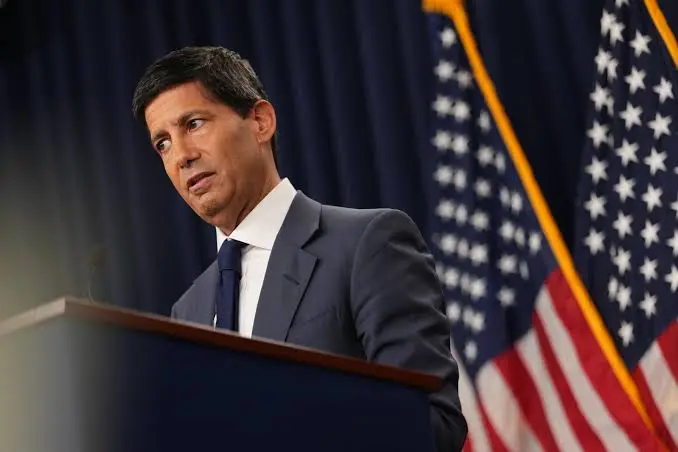
What Did Kevin Warsh Say at the Press Conference?
Chair Kevin Warsh made several points that markets paid close attention to.
Growth is strong, inflation is too high
Warsh said the economy is expanding at a strong pace, with a solid job market, while inflation remains well above the Fed’s 2 percent target. He acknowledged that the job of bringing inflation down is not finished.
Politics played no role
The decision came just six days before the United States midterm elections on November 3. Reporters asked whether the timing influenced the decision. Warsh said politics played no role in the vote, and he pushed back on any suggestion that the election was a factor. President Donald Trump has argued that the Fed’s rate policy is hurting the economy more than inflation, so the Fed’s independence is a hot topic.
No promises about the future
Warsh repeated that he does not favour forward guidance, which is when central banks give strong hints about future rate moves. He said policy will depend on incoming information. That means markets may have to react to data rather than to clear signals from the Fed.
A change to the meeting schedule
Perhaps the biggest surprise was a procedural change. CNBC reported that Warsh disclosed plans to reduce the number of meetings where members vote on interest rates in future years. This would limit the number of scheduled chances to change rates. The details were not fully explained in the reports available on October 28, so readers should watch the Fed’s website for official updates.
You can read the official opening statement on the Federal Reserve press conference transcript page and a summary of takeaways in CNBC’s coverage.
Why Did the Fed Hold Rates Instead of Raising Them?
Several factors were in play.
- Markets expected a hold. Futures markets priced roughly a 90 percent chance of no change before the meeting, and a Reuters survey of economists in mid October found that 94 out of 100 expected rates to stay the same, according to analysis published before the decision.
- The Fed raised rates only last month. Policymakers often want to see how an increase affects the economy before moving again.
- Energy costs complicate the picture. CNBC reported that higher energy prices are adding pressure to household budgets and making the inflation outlook harder to read.
- Uncertainty about global events. Economists quoted after the decision said the Fed prefers to wait for more information as uncertainty remains high.
At the same time, inflation is still elevated. Trading Economics data showed United States inflation at about 3.7 percent in September 2026, up from 3.4 percent in the previous reading, while unemployment was about 4.2 percent. These figures help explain why some committee members wanted to go further.
What Does the Fed Decision Mean for You?
The Fed’s rate influences borrowing and saving across the economy. Here is a simple guide to the likely effects. These are general explanations, not personal advice.
Credit cards and variable rate loans
Most credit cards in the United States have variable interest rates that move closely with the Fed’s benchmark rate. A hold means those rates should stay about where they are for now, instead of rising further. If you carry a balance, rates remain high, so paying down debt where possible can still help.
Mortgages
Fixed mortgage rates are linked more closely to longer term Treasury yields and lender funding costs than to the overnight rate alone. A Treasury yield on ten year notes was reported near 4.98 percent on October 27, which shows that long term borrowing costs remain high. Adjustable rate mortgages and home equity lines of credit are more directly tied to short term rates.
Savings accounts and certificates of deposit
When rates stay at higher levels, banks can keep paying more on savings, although not every bank passes on higher rates. It can be worth comparing high yield savings accounts and certificates of deposit, checking whether the account is protected by deposit insurance and reading the terms.
Car loans and personal loans
Borrowing costs for autos and personal loans track a mix of Fed policy, credit scores and lender risk. A hold does not make loans cheaper, but it removes one source of further increases for now.
Small businesses
Businesses with variable rate loans or credit lines will watch the December meeting carefully. Stable rates help with planning, but a possible hike remains a risk. For more business news and tips, visit our Business section.
Image slot 2 goes here: a person reviewing household bills at a desk (see Image Details below).
How Could the Fed Decision Affect Readers Outside the United States?
The Fed only sets United States rates, and central banks in the United Kingdom, Europe and Australia make their own decisions based on local conditions. Still, the Fed matters worldwide for three reasons.
- The dollar: Higher United States rates can strengthen the dollar, which affects travel costs, imports and international investments.
- Global borrowing costs: Many countries borrow in dollars or follow United States bond yields. Moves in American yields can spill over into other markets.
- Investor mood: Stocks, bonds and crypto often react to Fed headlines, no matter where investors live.
If you hold investments tied to American markets, the decision can influence your portfolio even if you live in London, Sydney or Berlin.
How Did Markets React?
According to Yahoo Finance, stocks were little changed after the announcement because there were no major surprises in the decision. Economists quoted in the report said the Fed was trying to control the narrative by showing patience and avoiding strong signals.
In the crypto market, a crypto news site reported that tokenized stocks rose about 12 percent after the Fed held rates, citing an Arbitrum strategist. Bitcoin had been trading close to $80,000 in the days before the decision, as we explained in our Bitcoin price update from October 26. Readers who follow digital assets can find more updates in our Crypto News section.
Market moves after central bank meetings can reverse quickly, and a single day tells you little about long term trends.
What Happens Next? Key Dates to Watch
- Monthly inflation data: The next consumer price reports will be closely followed for signs of cooling or heating.
- November 3, 2026: United States midterm elections.
- December 8 and 9, 2026: The next FOMC meeting, with new economic projections. A decision is expected on December 9.
- Fed minutes: Minutes from the October meeting are normally released about three weeks after the decision.
Some market watchers believe another increase before the end of the year is possible. CNBC reported before the meeting that nearly three quarters of those surveyed expected at least one more hike by year end. Treasury Secretary Scott Bessent said it would not necessarily be a mistake if the Fed raised rates again, according to a CNBC headline on the day of the decision. Nothing is certain, and the data will decide.
Simple Money Steps to Consider After a Fed Hold
These are general ideas that many people find useful when rates are high and uncertain. Check them against your own situation.
- Review variable rate debt: List credit cards, loans and credit lines and note their interest rates.
- Pay attention to high interest balances: Paying off the most expensive debt first often saves the most money.
- Compare savings options: Look at savings accounts, cash accounts and fixed term deposits in your country.
- Keep an emergency fund: Many experts suggest three to six months of essential costs in an accessible account.
- Avoid reacting to every headline: Long term plans usually work better than panic moves.
- Watch your household budget: Higher energy costs and food prices put pressure on many families. If you want to make your home more affordable and comfortable, see our practical tips in the Home and Aesthetic section.
Image slot 3 goes here: a calculator and a house key on a desk (see Image Details below).
Key Terms Explained Simply
- Federal funds rate: The interest rate banks charge each other for overnight loans. The Fed sets a target range for it.
- Basis point: One hundredth of a percentage point. A 25 basis point move is 0.25 percentage points.
- FOMC: The Federal Open Market Committee, which votes on interest rates.
- Dissent: A vote against the decision of the majority.
- Forward guidance: When a central bank signals what it may do in the future.
- Dual mandate: The Fed’s two goals of maximum employment and stable prices.
- Hawkish: Favouring higher rates to fight inflation.
- Dovish: Favouring lower rates to support growth.
Frequently Asked Questions About the Fed Decision
Did the Fed raise interest rates in October 2026?
No. On October 28, 2026, the Fed held its benchmark rate at 3.75 percent to 4 percent. It had raised rates by 0.25 percentage points in September.
Why did two Fed officials vote against the decision?
Lisa Cook and Beth Hammack voted for a rate increase, according to reports of the 10 to 2 vote. This suggests they are more worried about inflation staying high. The Fed did not need unanimous support to hold rates.
What does the Fed hold mean for mortgage rates?
A hold does not directly set fixed mortgage rates, which follow longer term yields and lender costs. It does mean that variable rate products are not rising for now, but rates remain elevated. Check current offers with lenders in your area.
When is the next Fed meeting?
The next meeting is on December 8 and 9, 2026, with a decision expected on December 9 and updated economic projections.
Will the Fed raise rates in December?
Nobody knows yet. The Fed said it will wait for more information, and some members already favour a hike. Inflation data and the job market will play a big role.
Final Thoughts
The Fed holds interest rates at 3.75 percent to 4 percent, but the 10 to 2 vote, Warsh’s comments on inflation and the planned changes to the meeting schedule show that the debate is far from over. For households, the practical message is to stay informed, manage debt carefully and avoid big decisions based on a single headline.
Sources for this report: CNBC, Yahoo Finance, the Federal Reserve press conference transcript and Admirals analysis, all published on October 28, 2026. This article is for general information only and is not financial advice. Please speak to a qualified financial adviser about your own situation.
Sources and further reading: Federal Reserve: Chairman Warsh press conference transcript, October 28, 2026 and CNBC: Five key takeaways from the Fed rate decision. For more world and business stories, visit our News section.