New and notable fiction: highlights and reviews
- Yesteryear Caro Claire Burke
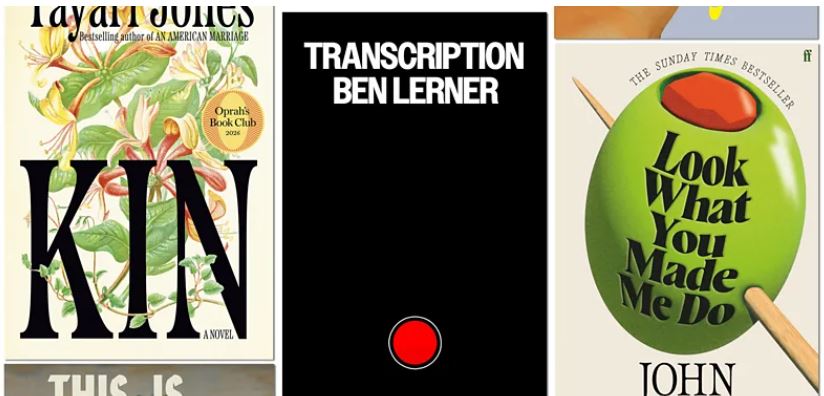
Vogue calls this buzzy debut “daring, deranged, cleverly written.” In this satirical thriller, tradwife influencer Natalie inexplicably wakes in 1855 and confronts the brutal realities of rural life. The LA Times praises it as “bitingly funny and occasionally heartbreaking,” and producers have already attached Anne Hathaway to an upcoming film adaptation. - Transcription Ben Lerner
In this contemplative novel, a middle-aged writer travels to Providence to interview his 90-year-old former mentor. After his phone breaks and he can’t record the conversation, the book becomes a meditation on memory, storytelling and technology. The Guardian calls it “intricate, uncanny,” while The New Yorker notes that “nothing in this exquisite, shape-shifting novel is what it seems.”
- Look What You Made Me Do John Lanchester
Described by The Times as “gleefully nasty,” Lanchester’s fifth novel is a dark comedy of betrayal and revenge centered on boomer Kate and younger screenwriter Phoebe. Literary Review praises its “skewed scenarios and retaliatory stratagems,” calling the book “a gleamingly accomplished black comedy.” - The Keeper Tana French
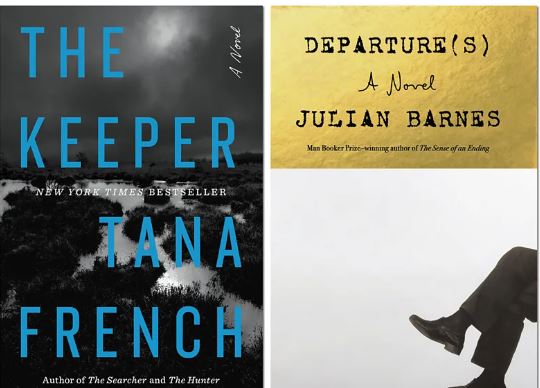
The final book in a trilogy starring retired cop Cal Hooper, The Keeper follows a murder investigation in the fictional Irish village of Ardnakelty. The New York Times calls French “one of the most consistently exciting mystery writers,” and The Guardian praises the novel as “dense, compelling and superbly atmospheric.”
- Departure(s) Julian Barnes
Blending memoir and fiction, Barnes offers a brief, reflective swansong about memory, ageing and love. The Atlantic describes Departure(s) as a “valedictory flourish,” noting its elegant prose and thoughtful examination of the human heart. - Questions 27 & 28 Karen Tei Yamashita
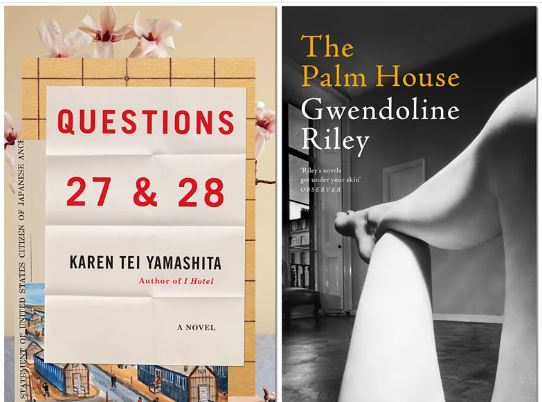
Yamashita’s first novel in 16 years revisits the US internment of Japanese Americans during World War Two, centering on the loyalty questionnaire known as Questions 27 and 28. The New Yorker praises the book’s panoramic scope and its meditation on collective memory. - This Is Where the Serpent Lives Daniyal Mueenuddin
Mueenuddin returns with a powerful novel exploring class, power and feudal legacies in modern Pakistan. The New York Times calls it “sensitive and powerful,” predicting it will figure on major literary prize shortlists.
- Kin Tayari Jones
Selected as an Oprah Book Club pick, Kin follows two “cradle friends” from 1950s Louisiana through a lifetime of diverging paths. The New York Times describes it as “a lush, beautiful novel” with compelling emotional depth. - The Things We Never Say Elizabeth Strout
Strout’s stand-alone novel follows high-school teacher Artie Dam as he confronts loneliness and a life-altering secret. The Guardian highlights the book’s rich human insights and hopes for more work from this acclaimed author. - The Palm House Gwendoline Riley
Centering on two prickly middle-aged colleagues in London, The Palm House has been praised for its sharp, witty dialogue and emotional undercurrent. The Times calls it “full of pathos and humour,” while critics note Riley’s expert control of conversational detail.