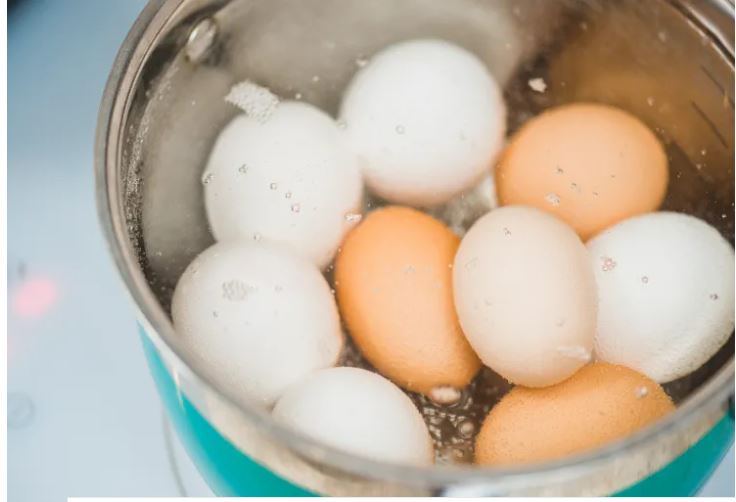
Boiled egg water the cloudy liquid left after cooking eggs is richer than it looks. When eggs simmer, minerals such as calcium leach from the shells into the water, creating a mild, nutrient‑rich solution that can benefit many garden and houseplants. Instead of discarding it, cooling and reusing this water is an easy, eco‑friendly way to give plants a small nutrient boost and reduce kitchen waste.
Why egg water helps plants
- Mineral boost: Eggshells release calcium and trace minerals during boiling, which can help strengthen cell walls and support root development in plants.
- Gentle fertilizer: Unlike concentrated chemical feeds, cooled egg water is mild and safe for regular use on many vegetables and ornamentals.
- Better soil health: Calcium improves soil structure and helps plants absorb other nutrients more effectively, reducing blossom end rot in crops like tomatoes and peppers.

How to use boiled egg water safely
- Cool completely: Let the water reach room temperature before using to avoid shocking roots or harming microbes in potting mix.
- Strain before use: Remove any shell fragments or egg residue to prevent odors or attracting pests.
- Frequency and amount: Apply as a portion of your normal watering routine for example, use egg water every 1–2 weeks mixed with fresh water rather than as the sole source.
- Best plants: Tomatoes, peppers, cucumbers, leafy greens, and many houseplants benefit most from occasional calcium-rich watering.
What to avoid
- Don’t use hot water: Hot liquid can damage roots and soil life.
- Avoid concentrated batches: If you boiled many eggs in one pot and the water is strongly cloudy or smells, dilute it heavily before use or discard.
- Not a complete fertilizer: Egg water supplies mainly calcium and trace minerals; continue regular feeding with balanced fertilizer when plants need nitrogen, phosphorus, and potassium.
- Be cautious with seedlings: Very young plants can be sensitive use a weaker dilution or wait until they’re established.