An FDA advisory panel has narrowly voted to ease access to several popular but under-researched peptides, including BPC-157, TB-500, and KPV. The move could allow specialized compounding pharmacies to produce these drugs for prescription use, overcoming a major regulatory hurdle.
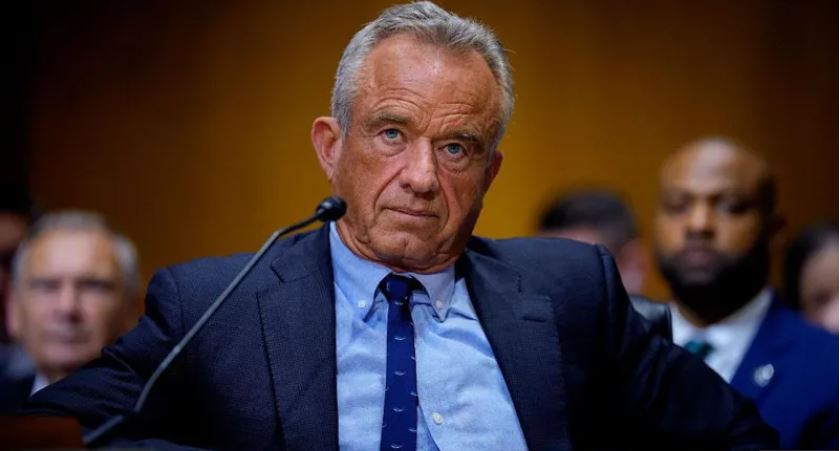
Although the FDA is not required to follow the panel’s recommendations, it often does. The decision marks a win for Health Secretary Robert F. Kennedy Jr., who has described himself as a “big fan” of peptides and pledged to reverse Biden-era curbs on the industry.
What Are Peptides and Why Are They Trending?
Peptides are short chains of amino acids essentially small proteins that our bodies naturally produce. They act as cellular messengers, influencing skin health, immune function, and hormone regulation. While peptides have long been used in approved treatments like insulin for diabetes, a new wave of unregulated injectable peptides has surged online.
Influencer-Driven “Biohacking” and “Looksmaxxing”
On TikTok and other platforms, wellness influencers especially targeting young men have promoted peptide “stacks” for unproven benefits like faster healing, muscle gain, and anti-aging. Terms like “biohacking” and “looksmaxxing” have helped drive the trend, despite warnings from health experts about the lack of human clinical trials and unknown long-term effects.
Safety Concerns and Regulatory Debate
BPC-157, derived from stomach protein, is marketed for gut health and tissue repair, while KPV is touted for similar benefits plus immune support. Both have been studied in animals but not extensively in humans. The US and World Anti-Doping Agencies prohibit BPC-157 in sports, citing insufficient safety data.theguardian+1
During the panel vote, some members cited “medical freedom” and “the greater good,” while others, like pharmacist Elizabeth Rebello, voted against BPC-157 due to “lack of efficacy data” and “safety concerns.” Notably, several panelists have ties to peptide-selling clinics, raising questions about conflicts of interest.
What Happens Next?
The panel is considering seven peptides in total. If the FDA adopts the recommendations, compounding pharmacies could legally produce these substances under quality-controlled conditions. A final decision is expected in the coming months