
Eating a small amount of ginger daily for a month can produce noticeable health benefits without major changes to your routine. Ginger’s active compounds gingerol, shogaol and zingiberene have anti‑inflammatory, antioxidant and digestive properties that often translate into reduced nausea, less muscle and joint pain, improved digestion, and modest cardiovascular benefits.
Why ginger helps: key compounds and effects
- Gingerol and shogaol: Provide anti‑inflammatory and antioxidant effects that may reduce swelling, ease pain, and protect cells from damage.
- Digestive support: Ginger stimulates digestion, speeds gastric emptying, and can relieve bloating, gas and constipation for many people.
- Antiemetic action: Ginger reduces nausea and vomiting useful for morning sickness, motion sickness, and some medication‑related nausea.
- Metabolic and heart health: Regular intake may modestly lower LDL cholesterol and triglycerides and improve blood‑sugar control in some people.
- Immune support: Anti‑inflammatory and antimicrobial properties can help the body respond better to minor infections, shortening symptom duration.
What you might notice after one month
- Less nausea: Fewer bouts of motion or morning sickness and calmer stomach after meals.
- Reduced muscle and joint pain: Mild to moderate relief from exercise soreness or arthritis‑type aches.
- Improved digestion: More regular bowel movements and less bloating or gas.
- Subtle metabolic changes: Slight improvements in cholesterol and blood‑sugar markers for some people.
- Better overall wellbeing: Improved appetite, energy and faster recovery from minor illnesses.
How to add ginger safely and effectively
- Serving ideas: Add 1–2 grams (about a thumb‑tip slice or 1/2–1 teaspoon grated) daily to tea, smoothies, soups, stir‑fries, or salad dressings.
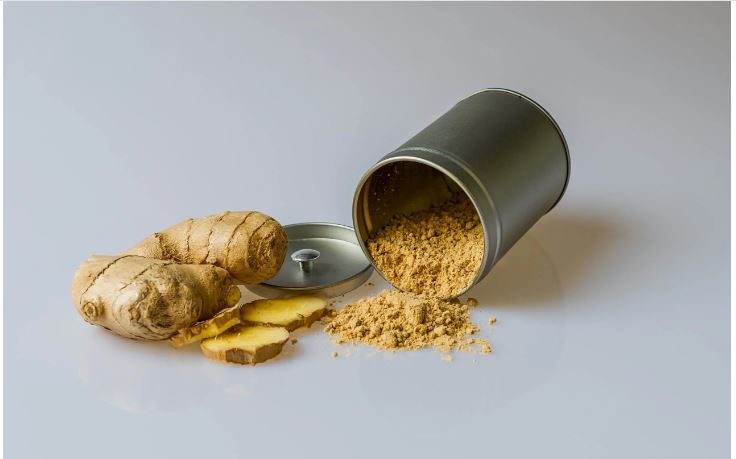
- Forms: Fresh, dried, powdered, pickled, or as a tea or supplement. Fresh provides the most gingerol; powdered is more concentrated by weight.
- Timing: Take with food if you have a sensitive stomach to avoid irritation.
- Hydration and variety: Combine with a balanced diet and adequate fluids for best results.
Precautions and when to avoid
- Bleeding risk: If you take blood thinners (warfarin, aspirin, clopidogrel), consult your doctor—ginger can increase bleeding risk at high doses.
- Pregnancy: Ginger is generally safe for nausea in pregnancy at low doses (consult your healthcare provider first).
- Blood sugar and blood pressure: If you use medications for diabetes or hypertension, monitor levels ginger can interact and amplify effects.
- Allergies and GI sensitivity: Stop if you develop rash, heartburn, persistent diarrhea, or abdominal pain.