SpaceX’s record $75 billion IPO pushes Elon Musk’s net worth past $1 trillion, highlighting investor enthusiasm even as critics question his power, governance and political interventions.
Few business leaders have been as embedded in popular culture as Elon Musk, the entrepreneur whose bold vision and outspoken style have made him a defining figure of internet culture. At a moment of rising concern about inequality and growing public skepticism toward the ultra-wealthy, Musk has retained a loyal following despite his enormous fortune and a persona very different from folksier tycoons like Warren Buffett.
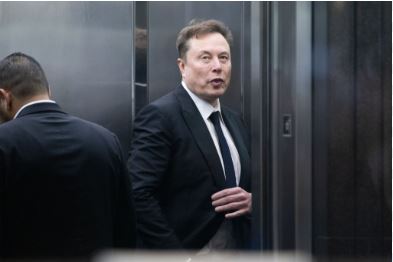
Admirers cite his unfiltered approach as a key part of his appeal, while critics argue he wields oligarch-like influence, raise governance questions at his companies, and criticize his increasingly partisan political interventions. Yet investor enthusiasm remains intense: SpaceX the rocket, satellite and AI company at the core of Musk’s empire alongside Tesla raised a record $75 billion in its initial public offering on Thursday. That share sale pushed estimates of Musk’s net worth past the $1 trillion mark.
Before the IPO, Forbes estimated Musk’s net worth at about $780 billion, well ahead of the next contender, Alphabet co-founder Larry Page. “The second richest person has been hovering around $300 billion, so about less than one-third of what Musk can potentially be worth tomorrow,” said Matt Durot, deputy editor at Forbes Wealth. Only Larry Ellison has previously reached the roughly $400 billion range, Durot added.
Most of Musk’s wealth now sits in SpaceX, where his stake is estimated at roughly $866 billion. Combined with Tesla and his other holdings, Forbes and Reuters calculations based on company filings project his net worth will top $1.1 trillion when SpaceX stock begins trading Friday. The milestone underscores both the market’s appetite for Musk-led ventures and the broader debate over concentrated wealth and corporate power.