
Gen Z moviegoers are drawn to horror that reflects real‑world anxieties. Films like “Obsession” and “Backrooms” mix gore with themes of isolation, trauma and cultural backlash that resonate with younger audiences.
Gen Z has inherited a lot of real‑world fears — an uncertain economy, repeated school shootings, climate threats and a global pandemic — and filmmakers are increasingly shaping horror to reflect those anxieties. Recent hits like Obsession and Backrooms have pulled young audiences back into theaters by blending visceral scares with stories that probe the generation’s deeper social and psychological concerns.
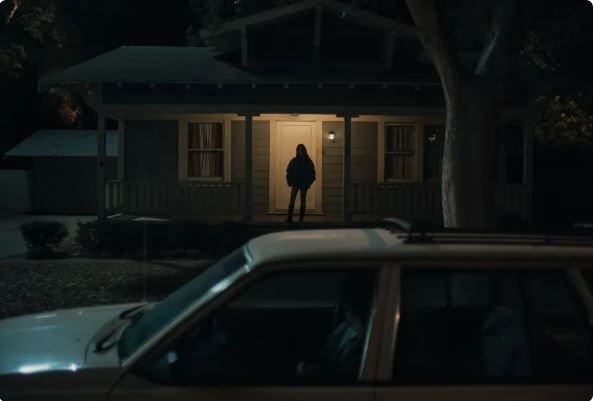
Horror that mirrors reality: Critics and mental‑health experts say modern horror aimed at younger viewers tends to emphasize darker real‑life themes rather than relying solely on jump scares or gore. Lauren Cook, a therapist and author of Generation Anxiety, notes the shift: Gen Z responds to honesty and unflinching depictions of contemporary problems, and filmmakers are answering that demand. Obsession delivers bloody set pieces but also tackles cultural currents such as “red pill” backlash and online radicalization. Backrooms, adapted by Gen Z director Kane Parsons from his own YouTube series, uses psychological dread and surreal isolation to explore trauma and limited opportunity.
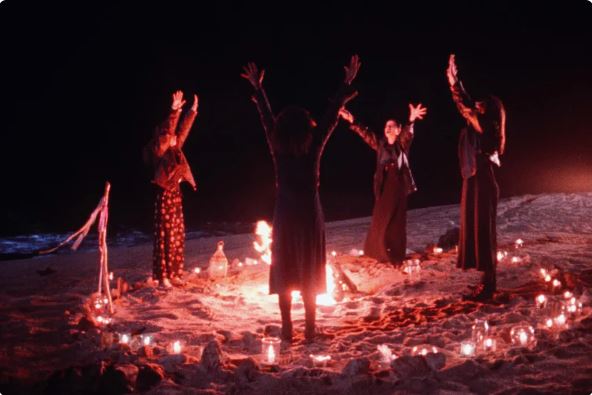
Why it resonates: Members of Gen Z (born roughly 1997–2012) grew up amid crises the 2008 financial shock, repeated climate disasters, the normalization of active‑shooter drills and the COVID‑19 pandemic. These events have shaped a worldview that accepts morbidity and complexity rather than seeking easy comforts. As Cook puts it, younger viewers “can sit with that morbidity” and appreciate films that don’t sugarcoat harsh realities.
Creative voice and authenticity: Part of the appeal is authenticity. Directors like 26‑year‑old Curry Baker (Obsession) and Kane Parsons bring a generation’s voice to the screen one that understands internet culture, trauma narratives and the ways social media can amplify both solidarity and extremism. Audiences also appreciate when horror engages with cultural debates instead of ignoring them.
A genre for each generation: Film analysts point out that horror often reflects generational fears from the slasher films that defined the 1970s to the witchcraft and moral‑panic movies of the 1990s. Today’s horror translates Gen Z’s anxieties into visuals and metaphors that feel immediate and cathartic, helping viewers process trauma collectively in a dark, communal space: the movie theater.
Bottom line: Obsession and Backrooms show how horror has evolved to meet Gen Z where it lives online, anxious, skeptical and hungry for stories that acknowledge the messiness of the modern world. For many young viewers, the genre’s frankness is not just entertainment but a form of emotional validation and release.