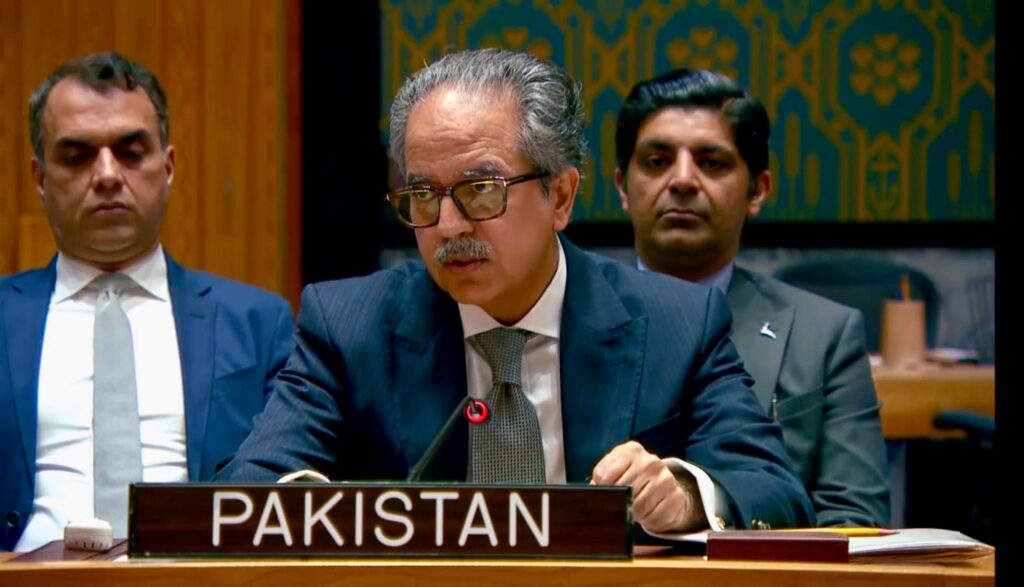
Pakistan Condemns RSF Attacks in Sudan, Warns of Imminent Risk of Mass Atrocities
Pakistan has strongly condemned recent attacks by the Rapid Support Forces (RSF) targeting civilians and civilian infrastructure across Sudan and warned of an imminent risk of mass atrocities. Speaking at the United Nations Security Council on June 26, 2026, Pakistan’s Permanent Representative, Ambassador Asim Iftikhar Ahmad, called for an immediate halt to violence, safe and unhindered humanitarian access, and renewed efforts toward a Sudanese-led political solution.
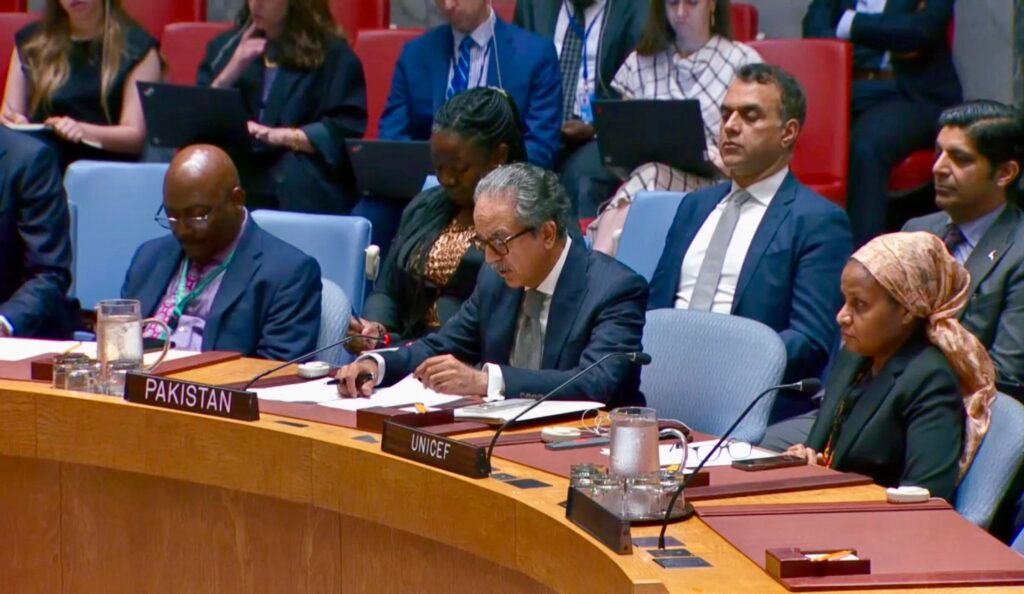
Ambassador Ahmad expressed deep concern about the deteriorating security and humanitarian situation after more than three years of conflict, noting that civilians continue to suffer the most. He specifically condemned attacks on schools, hospitals, markets, places of worship, and other essential civilian facilities. The Ambassador highlighted alarming developments around El Obeid, citing reports of major RSF reinforcements and the threat of a ground offensive, while recalling the group’s history of grave abuses including indiscriminate killings, ethnic violence, sexual violence, and forced displacement in Darfur and other regions of Sudan.
The statement urged the RSF to immediately stop its assault on El Obeid, avoid further escalation, and fully respect international humanitarian law to protect civilians. Ambassador Ahmad also warned about the growing use of drones and advanced weapons, which are increasing civilian casualties, disrupting humanitarian operations, and raising the risk of regional escalation.
Pakistan demanded safe, rapid, sustained, and unhindered humanitarian access across Sudan and condemned attacks on humanitarian personnel, convoys, warehouses, and relief supplies as unacceptable. Reaffirming Pakistan’s principled position, the Ambassador emphasized the need to preserve Sudan’s sovereignty, unity, territorial integrity, and national institutions, and cautioned the international community against actions that could weaken national institutions or encourage parallel military or political structures.
Stressing that there is no military solution to the crisis, Ambassador Ahmad warned that prolonged instability in Sudan would threaten security across the African and Arab regions and called for collective international responsibility to restore peace. Pakistan reaffirmed its support for the United Nations, the African Union, IGAD, the League of Arab States, the QUAD, and regional partners in their efforts to protect civilians, preserve Sudan’s unity, and help the country return to constitutional order.
The Permanent Representative welcomed the ongoing work of the UN Secretary-General’s Personal Envoy and encouraged continued diplomatic engagement to reduce tensions, facilitate humanitarian arrangements, and support an inclusive political process that is led and owned by the Sudanese people.