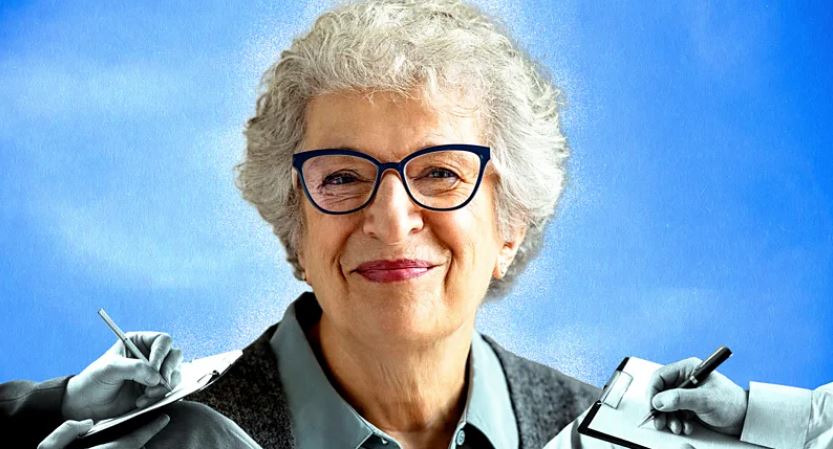
Therapy isn’t just for younger people. Evidence and personal stories show older adults can gain major mental‑health and relationship benefits from counseling, yet access remains low.
Article:
We often assume therapy is mainly for younger people, but older adults can gain substantial benefits from psychological support. Personal stories highlight this: Maurizio, 70, began therapy to explore migraines he’d suffered since childhood. Even after accepting he might never find a single medical cause, he found the therapeutic process “meaningful,” a space for introspection that clarified his life.
Antonio, 73, and his wife Gigliola, 68, turned to counseling to repair a relationship strained by years of unspoken tension. After some months they reported feeling “lighter” and more open; the therapy helped them voice things they had never said before. These experiences challenge the idea that therapy is primarily for the young.
Therapy in later life: The evidence and the gap
Although psychological treatments are proven to improve mental health and wellbeing across adulthood, older people access them far less often. The World Health Organization estimates about 14% of people over 70 live with a mental health disorder mostly anxiety and depression and people in this age group account for about 17% of suicides. Yet a 2024 study found only around 4% of U.S. adults aged 65+ received psychological therapy, compared with 12% of 18–24‑year‑olds and 8% of those aged 35–64.
Experts note there’s no strong evidence therapy is less effective with age. Pim Cuijpers, professor of clinical psychology at Vrije Universiteit Amsterdam, says, “Therapies work across the whole adult age.” Barriers such as stigma, limited mobility, lack of referral, and assumptions that distress is a normal part of aging likely contribute to low uptake among seniors.
Why older adults can benefit
- Improved coping: Therapy helps process losses, chronic illness, and life transitions common in later life.
- Relationship repair: Couples and family therapy can restore connection after years of unresolved conflict.
- Enhanced purpose and introspection: Many older adults report therapy offers renewed meaning and clearer self‑understanding.
- Mental‑health treatment: Evidence‑based therapies effectively treat depression, anxiety and trauma in older populations.
Practical tips for older adults considering therapy
- Ask your GP for a referral or local mental‑health resource.
- Consider teletherapy if mobility or transport is an issue; many clinicians offer video or phone sessions.
- Look for therapists experienced in later‑life issues or with training in geriatric mental health.
- Explore community and group programs, which can combine social connection with therapeutic benefits.
Therapy can be a powerful tool for people at any stage of life. For older adults, it can address longstanding issues, support relationships, and improve day‑to‑day wellbeing and the growing evidence suggests more seniors could benefit if barriers to access are reduced.