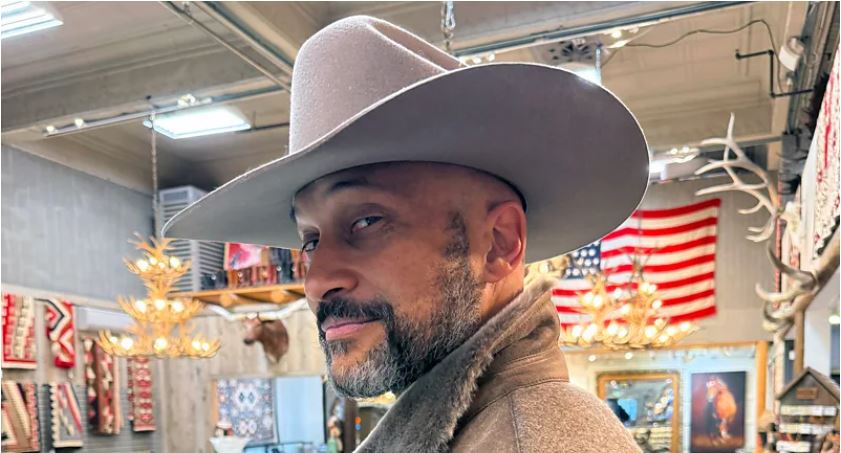
Keegan‑Michael Key reflects on childhood drives, folding paper maps and why road trips remain a powerful way to connect in 2026 from sunrises to shared sing‑alongs.
Comedian, actor and musician Keegan‑Michael Key says road trips shaped his life from family drives to the Rockies as a child to long hauls on the college comedy circuit. For Key, the open road is more than travel; it’s a way to connect, create memories and slow down in an increasingly hurried world. “It’s becoming a bit of a lost art, isn’t it?” he says, musing about the days of paper maps and the small ritual of unfolding them on a bed to decide the next stop.
Slow travel and family bonds
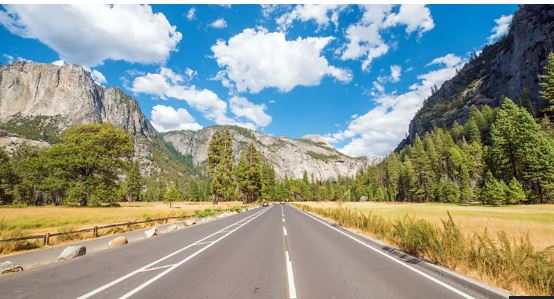
Key recalls slow, experiential trips guided by instinct and maps rather than apps. Growing up in Michigan with a father from Salt Lake City, his family toured national parks the Grand Canyon, Tetons, Yellowstone and Yosemite in a pop‑up camper. He remembers the flat Midwest giving way to rolling hills and then the Rockies appearing on the horizon: “You can literally see your destination. The excitement started to build.” Those shared decisions and problem‑solving moments, he says, create a deeper bond than faster modes of travel can offer.
Why road trips still matter in 2026
Key argues road trips answer a modern craving for connection. He points to a year of reasons to hit the road 100 years of Route 66, the nation’s 250th anniversary and a continent‑spanning World Cup that makes cross‑country driving a natural way to follow the action. Road trips, he says, let people reclaim unstructured time together: sunrise drives, sing‑alongs, roadside games and spontaneous detours that don’t happen on planes.
Unique road‑trip moments
Key highlights small rituals that only happen on the road: singing with friends for hours, spotting quirky signs, and waking at 5 a.m. to watch a sunrise. Compared with air travel where someone else handles logistics and the experience is uniform for hundreds of strangers road trips create intimate, unpredictable experiences for small groups. “A road trip consists of four to eight people at the most, so you’re having a much more individual experience,” he says.
Lessons from touring with peers
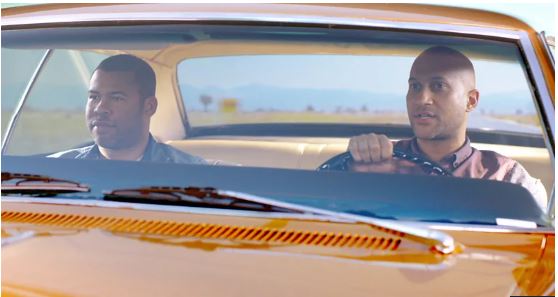
Key also recalls touring with Jordan Peele on the college circuit, driving from town to town between shows. He credits Peele with teaching him the value of calm and silence on the road; Key says he learned to embrace quiet as he got older, balancing his natural talkativeness with moments of reflection.
A love letter to the map
For Key, part of the road‑trip romance is tactile: the folding and refolding of paper maps, and the collective pleasure of deciding where to go next. “With Google Maps, you go, ‘How did we do this before?’” he laughs. But that lost art and the freedom to change course is exactly why he thinks Americans should keep taking to the highways. Road trips, he says, remain one of the best ways to reconnect with family, friends and the landscape that helped shape a national identity.