How often should you brush your hair? The short answer: it depends. Your hair type, the brush you use, and your routine all matter when deciding how often to brush for healthy, shiny hair.
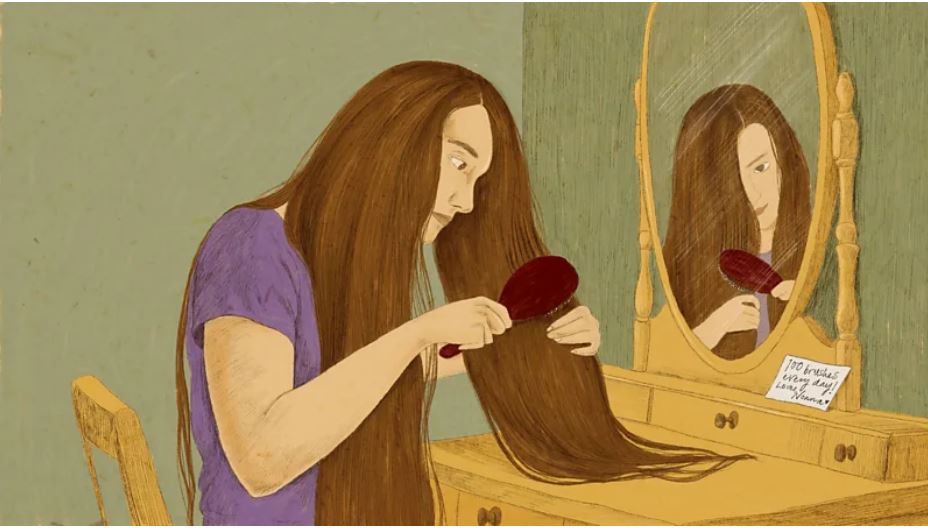
A brief history explains why brushing advice varies. Humans have groomed hair since prehistoric times, and Victorian etiquette popularized lengthy brushing routines spawning the myth that you must give your hair “100 brush strokes” each night. Hair historian Rachael Gibson says Victorians combed and brushed long hair to detangle, remove debris and lice, and distribute scalp oils using natural-bristle brushes (often boar). In 1898 Lyda Newman’s invention of a synthetic-bristle hairbrush made brushing cheaper and more widespread, but it also helped spread persistent myths about brushing.
One common myth is that more brushing makes hair grow faster. Salon owner Nikki Corzine and hair scientists say that isn’t true: brushing stimulates the scalp briefly but does not speed follicle-driven growth. In fact, overbrushing can damage hair. Laboratory studies that simulate knotting and repeated combing show strands can crack from the inside for split-end-prone hair, and from the outside for healthier hair after repeated stress.
So what’s a practical routine? Tailor it to your hair:
- Fine, straight hair: gentle brushing once or twice daily with a wide-tooth comb or soft-bristle brush to remove tangles and distribute oils.
- Thick, curly or textured hair: detangle with a wide-tooth comb or fingers when wet and conditioned; avoid vigorous daily brushing that can break curls and cause frizz.
- Long hair: brush to detangle before washing and once after drying; use a detangling brush or wide-tooth comb and work from ends upward.
- Short hair: a quick brush or comb in the morning is usually enough.
Brush choice matters: wide-tooth combs, detangling brushes, and natural or flexible synthetic bristles reduce pulling and breakage. Always start detangling at the ends and work upward, and avoid brushing aggressively when hair is wet unless using a comb designed for wet hair.
Bottom line: brushing helps with grooming and oil distribution, but there’s no universal “100 strokes” rule. Listen to your hair type, use the right tools, and avoid overbrushing to keep strands strong and healthy.