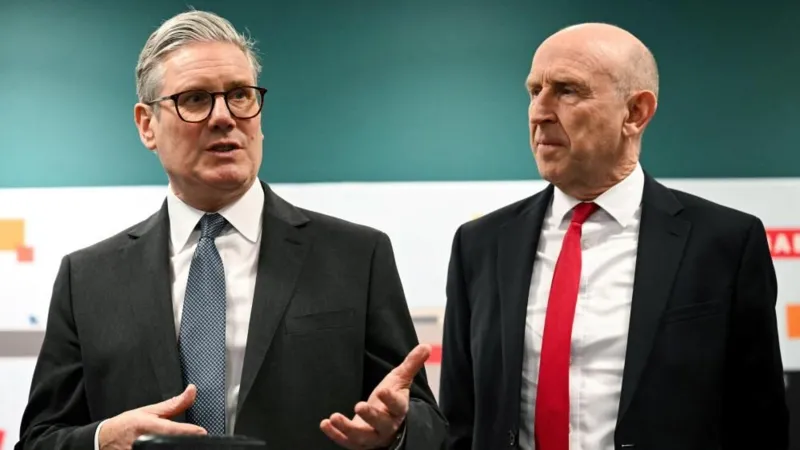
After Labour’s poor election showing and recent resignations, the Defence Investment Plan controversy and ministerial exits intensify pressure on Sir Keir Starmer ahead of the G7 summit.
A month after a wave of resignations and anger that followed Labour’s disappointing election results, the Makerfield by‑election had briefly tamped down internal dissent but that calm was short‑lived. The controversy over the government’s Defence Investment Plan (DIP) has reopened fault lines within the party and exposed fresh questions about Sir Keir Starmer’s capacity to deliver.
The prime minister had hoped the DIP, together with an expected announcement on tightening teenagers’ access to social media, would showcase direction and delivery. Instead, the defence plan has become the focal point for departing ministers who say it “falls well short” of the level of spending needed to protect the country. Defence Secretary John Healey resigned on Thursday, explicitly criticising the plan in his resignation letter and deepening a leadership headache for Starmer days before the G7 summit in southern France.
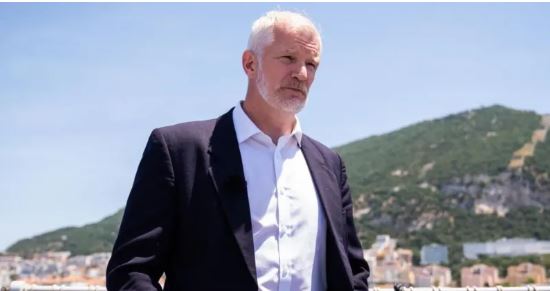
Starmer’s new Defence Secretary, Dan Jarvis a veteran of deployments in Northern Ireland, Kosovo, Iraq and Afghanistan must now explain the policy to NATO defence ministers next week while managing the domestic fallout. The prime minister is also searching for a new armed forces minister after the abrupt resignation of Al Carns, who in a bizarre turn gave television interviews claiming his role was to “steady the ship” and then quit an hour later.
The resignations have re‑energised speculation about Labour’s future leadership. Figures such as Greater Manchester Mayor Andy Burnham and Health Secretary Wes Streeting, among others, are being watched closely by MPs and the media. Even some of those who left the government have signalled they would not shy away from a leadership contest if one opens. Downing Street and the Treasury are left bruised as the party scrambles to contain the damage and restore a narrative of competence.
With the G7 trip looming, Starmer faces a difficult balancing act: reassure international partners, stabilise his cabinet, and convince MPs and voters that his government can deliver on defence and domestic priorities without further political self‑inflicted wounds.