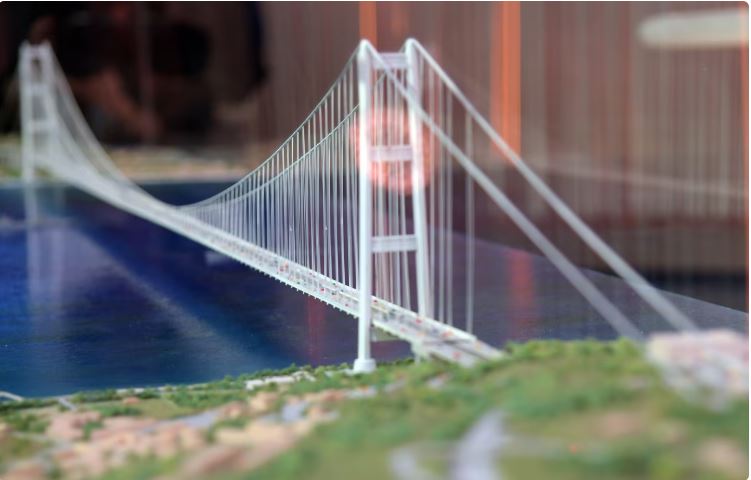
Italy’s plan to build a 2.3-mile single-span suspension bridge across the Strait of Messina has advanced after final government approval in August 2025, reviving a centuries-old dream to link Sicily with the mainland. Backed by Prime Minister Giorgia Meloni, the project is being framed not just as infrastructure but as a national defense priority that could help Italy meet NATO spending targets pushed by US President Donald Trump.
The move is politically clever: by designating the bridge a defense investment, Rome aims to square ambitious military spending obligations with domestic fiscal limits. If completed, the bridge would be the world’s longest single-span suspension span and a signature project in a country struggling with tight budgets and competing social priorities.
Why the bridge matters now
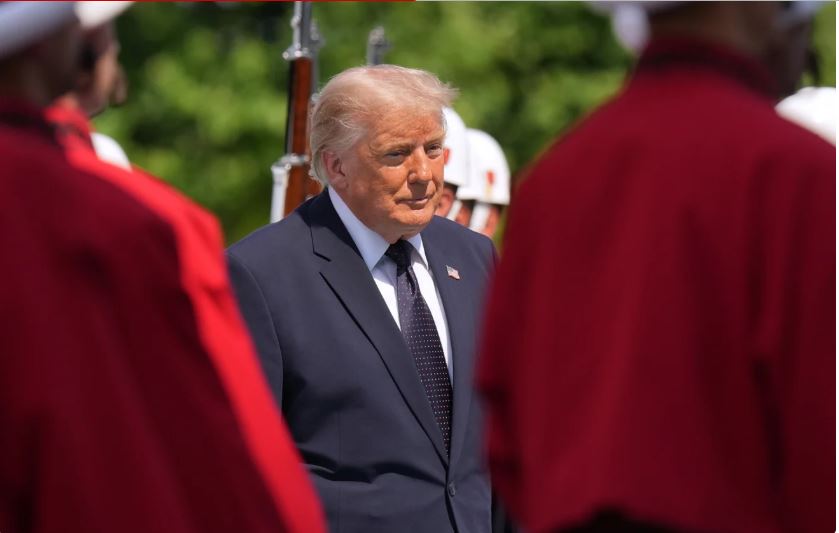
Italy’s bridge combines symbolic ambition with strategic messaging. Meloni argues the structure will boost logistics, military mobility and regional connectivity, while critics say the defense label is a workaround to satisfy NATO’s costly 5% GDP defense target without cutting welfare programs.
Economic and political trade-offs
- Fiscal strain: Most European governments face heavy pandemic-era debt and high interest costs, leaving little room for massive new defense outlays.
- NATO pressure: President Trump and NATO leaders press Europe to sharply raise military spending by 2035, forcing difficult trade-offs in national budgets.
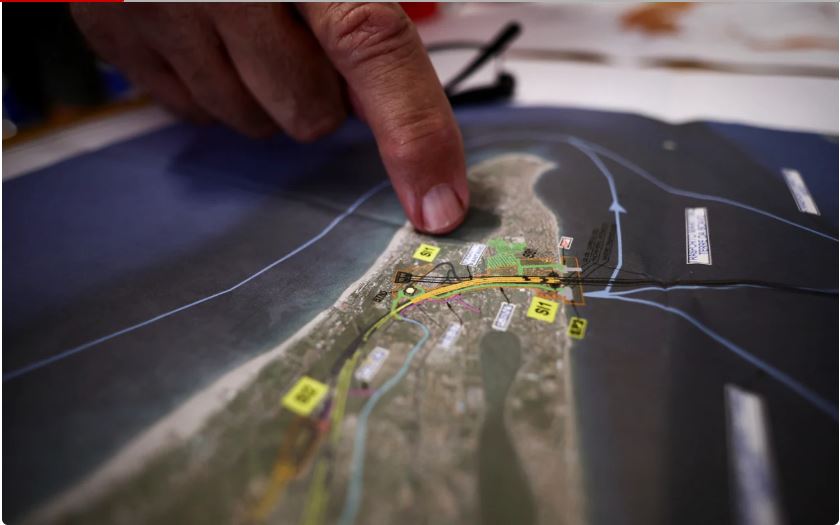
- Domestic reaction: Supporters see jobs and long-term growth; skeptics point to legal hurdles, environmental concerns, and the risk of fiscal overreach.
Strategic context and outlook
Europe’s capacity to meet NATO’s demands is uneven Germany and several eastern states are progressing, while France, the UK and Italy struggle to fund promised increases without painful cuts elsewhere. The Messina bridge, if legally cleared and built, would be a high-profile example of how countries might classify infrastructure as defense spending to navigate political and fiscal constraints.