
Young Chinese shoppers are trading logo-mania for talismans, rituals and Zen-inspired goods as economic uncertainty fuels a boom in spiritual consumption. From crystal bracelets and “lucky” luxury bangles to temple visits and wellness retreats, a growing number of Gen Z and millennial buyers are spending on items and experiences that promise emotional solace and self-definition.
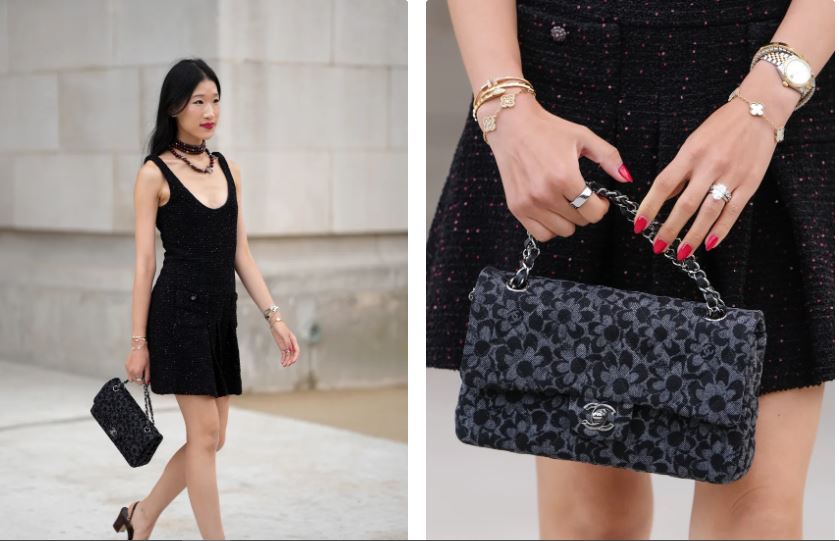
The trend, often labelled xuanxue (spiritual mysticism), spans price points and platforms. Hashtags on Xiaohongshu have attracted billions of views, and e-commerce data shows crystal bracelet sales jumped 320% year-on-year in 2024. Luxury pieces from Van Cleef & Arpels’ Alhambra to Cartier and Tiffany bangles are increasingly framed as both status symbols and protective charms amid high youth unemployment and job insecurity.
What consumers are buying
- Affordable talismans: Crystal bracelets, feng shui trinkets and scented diffusers that promise “energy” and good luck.
- Spiritual luxury: High-end jewelry assigned mystical meanings (career, love, finance) and brands positioned as emotional armor.
- Experiential spirituality: Temple pilgrimages, mountain retreats (eg. Mount Emei), and mindfulness-focused weekend getaways.
Why it’s popular now
Economic stresses and a slow post-Covid recovery have left young people seeking psychological comfort. Buying spiritual objects or attending contemplative experiences offers ritual, novelty and a sense of control. Marketers and brands have leaned into this, with mainstream campaigns (from Lululemon to local bubble-tea chains) collaborating with temples or using “Zen” aesthetics to sell products.
Market and social implications
- Retail impact: Spiritual consumption has become mainstream, reshaping product lines and marketing strategies across luxury and fast-fashion segments.
- Cultural resonance: Though China is officially secular, traditional beliefs like fengshui remain widespread; consumers readily blend commerce with customs.
- Criticism and risk: State media and scholars warn of superstition and scams, cautioning that obsession can mislead vulnerable buyers.