Wi-Fi powers daily life, but small things around your home can quietly weaken the signal. Some are obvious, like thick walls, while others are surprising, including microwaves, fish tanks and mirrors.engineering.cmu+1
Alex Hills, who helped build the world’s first big Wi-Fi network at Carnegie Mellon University, has long described these interference sources as the “bad boys” of radio. His work helped shape modern wireless internet, and the same basic signal rules still explain many home Wi-Fi problems today.cmu+2
Microwaves and Interference
Shared frequencies
Microwave ovens and many Wi-Fi devices both operate around 2.4 GHz, which can cause interference if an older microwave leaks signal or if the door seal is damaged. That is why lunchtime leftovers can sometimes slow your connection.cmu+1
How to reduce it
If your router supports 5 GHz, switching bands can help reduce clashes. Keeping your microwave in good condition also matters, especially in older homes or offices.engineering.cmu+1
Walls, Water and Reflection
Fish tanks and dense materials
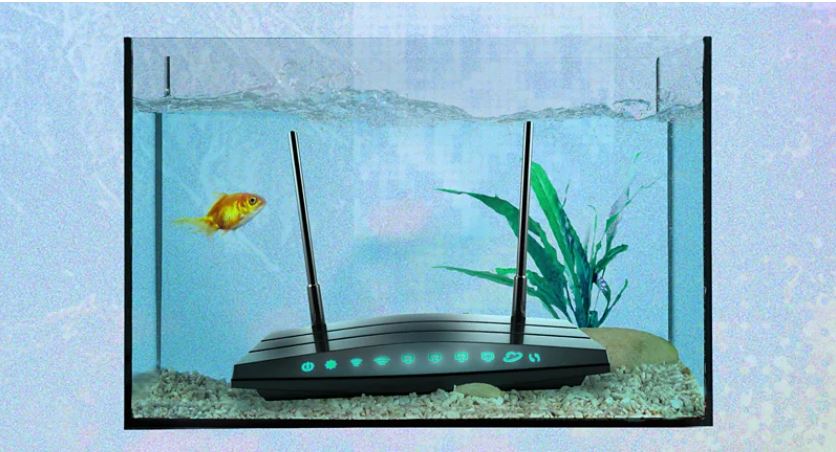
Wi-Fi weakens with distance and can be blocked by water, brick and concrete. A fish tank between your router and device can create a dead zone, while thick walls can make signals bounce or fade before they reach you.cmu+1
Mirrors and TVs
Reflective surfaces such as mirrors, metal panels and large televisions can bounce Wi-Fi away from the room you want to cover. In many homes, moving the router higher and closer to the center of the house improves coverage right away.engineering.cmu+1
Weather and Network Strain
Winter problems
Severe snow, cold and heat can damage outdoor infrastructure or disrupt satellite links, which may slow service across a neighborhood or town. Even when weather is not the direct cause, crowded networks can slow down when everyone is online at once.cmu+1
Practical fixes
A Wi-Fi extender or mesh system can help spread coverage more evenly through a home. For larger disruptions, telecom providers and local officials need to invest in stronger, weather-resilient networks.