It is four in the morning and the hospital ward is quiet. A resident doctor, nine hours on her feet, struggles to sleep when she gets home because her internal clock insists it is morning. This clash between shift work and human biology is playing out across millions of jobs nurses, drivers, engineers and carries measurable health costs, from heart disease to dementia.
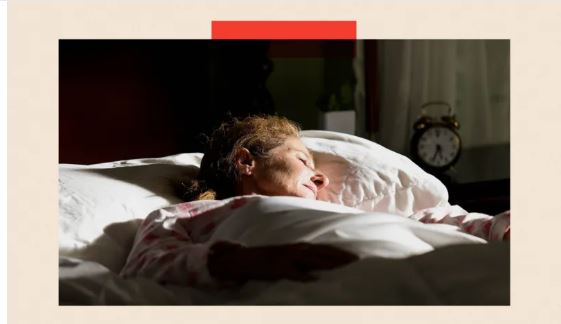
Scientists are now testing whether changing how we sleep can reduce those harms. Early evidence suggests splitting sleep into two blocks biphasic sleep may suit people who must be awake at night better than forcing one long daytime sleep.
The toll of disrupted sleep
Sleep is more than rest: it consolidates memory, manages emotions, repairs tissue and powers the brain’s waste‑clearing glymphatic system. Studies link poor or misaligned sleep to raised amyloid and tau proteins implicated in dementia and a Swedish cohort found shift work in mid‑life raised dementia risk by 36% over decades. Short, repeated sleep loss also ramps inflammation and cortisol, increasing risks for heart disease and metabolic problems. The World Health Organization has classified night shift work as “probably carcinogenic,” citing links to several cancers.

Biphasic sleep: what researchers found
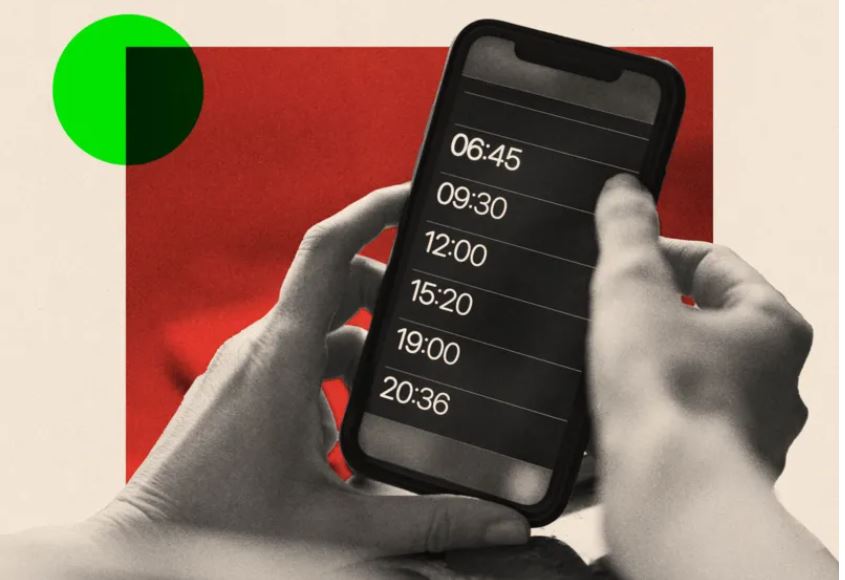
Research from Norway’s National Institute of Occupational Health observed Arctic shift workers naturally adopting two sleep periods a late‑morning block and an afternoon nap tracked via wearable devices. This pattern mirrors historical “first” and “second” sleeps documented by historians and may reflect a resilient, evolved rhythm rather than a modern oddity.
- Benefit hypothesis: two shorter sleeps can better align restorative processes with workers’ circadian pressure, reduce prolonged daytime wakefulness, and improve alertness on duty.
- Caveats: evidence is emerging, not conclusive. Individual differences, total sleep time, job demands and chronic conditions all matter.