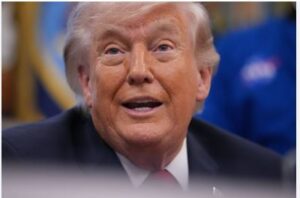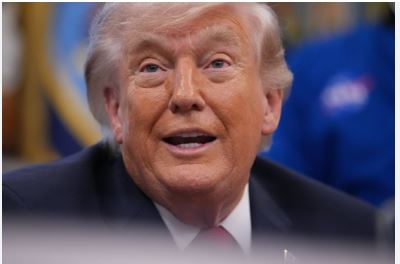
By President Donald Trump’s standards, his reaction to the Supreme Court’s ruling against his effort to end birthright citizenship was muted. Trump called the decision “too bad for our country” and urged Congress to pass legislation to restrict birthright citizenship, but such a measure faces long odds in a Democratic-controlled Senate and would likely face constitutional challenges.
What the ruling means
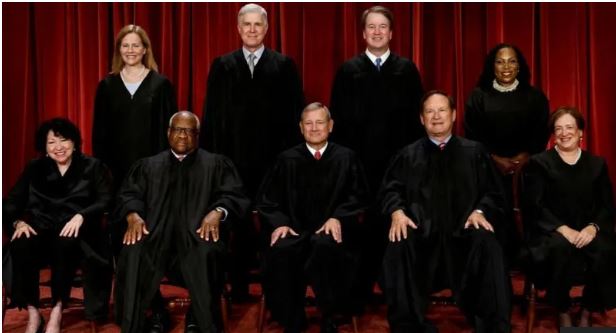
- The court rejected Trump’s bid to strip citizenship from children born here to temporary visitors and undocumented migrants, with a narrow five-justice majority finding a constitutional guarantee.
- While a setback for Trump, the decision closes a Supreme Court term that largely expanded presidential authority and strengthened conservative legal wins across many areas.
Key recent decisions shaping presidential power
- Earlier this year, the court blocked Trump’s attempt to use federal law to impose sweeping tariffs on trading partners in a 6–3 decision that included conservative appointees.
- A separate ruling prevented the president from deploying the National Guard to Chicago over local objections, with several conservative justices joining the liberal wing.
- The court also ruled this week that the president can fire members of certain “independent” federal agencies over policy disputes, increasing executive control over regulatory bodies (with a carve-out for Federal Reserve officials).
Why it matters
- The conservative-majority court, consolidated during Trump’s first term, has issued several high-profile rulings that expanded executive power and limited legal exposure for presidential actions.
- At the same time, a small group of conservative justices joined liberals at key moments to restrict some of Trump’s most ambitious immigration, trade, and law-enforcement policies.
- Legal experts say the court’s broad interpretation of presidential authority gives current and future presidents greater influence over labor, election, communications, environmental, and financial regulation.
Expert perspective
- Kate Shaw, a law professor at the University of Pennsylvania, described the court as “a very strong, very conservative court with the broadest conception of presidential power that we have ever seen,” though she noted occasional deviations when conservatives side with liberals.
Bottom line
- The birthright citizenship ruling is a defeat for Trump but also part of a broader trend: the Supreme Court has both expanded executive power in important ways and set limits on specific presidential initiatives. Any congressional action to alter birthright citizenship would face steep legal and political hurdles.