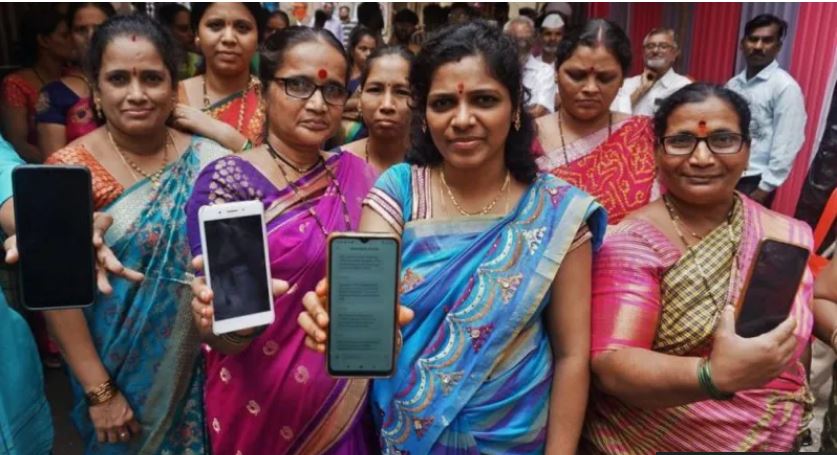
India’s rapid economic growth is increasingly propped up by cash transfers: government payments directed mainly at women, farmers and now unemployed youth have expanded from under $2bn in 2015 to nearly $30bn, approaching 1% of GDP and more than 10% of social‑sector spending. Seventeen states and Delhi now run monthly transfer schemes (up from four in 2019), with typical amounts of 1,000–2,500 rupees; a median 1,500‑rupee payment can cover roughly 74% of monthly rural expenses and 51% in urban areas for the poorest 20%, making these programs a vital buffer for household consumption amid inflation and climate shocks.
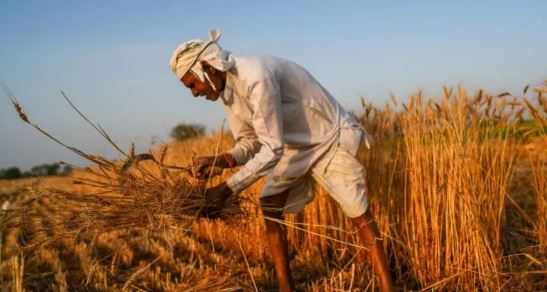
Policymakers argue transfers help stabilise incomes and support demand, but analysts warn of rising fiscal strain: many states reporting revenue deficits, faster market borrowing, and the risk that cash programs crowd out long‑term investments. Experts also note gaps in design and evaluation most schemes lack clear end dates or impact assessments and often improve short‑term stability without guaranteeing a sustained pathway out of poverty. Regular reassessment, better targeting and stronger evaluation are needed to balance immediate relief with fiscal sustainability and long‑term development goals.