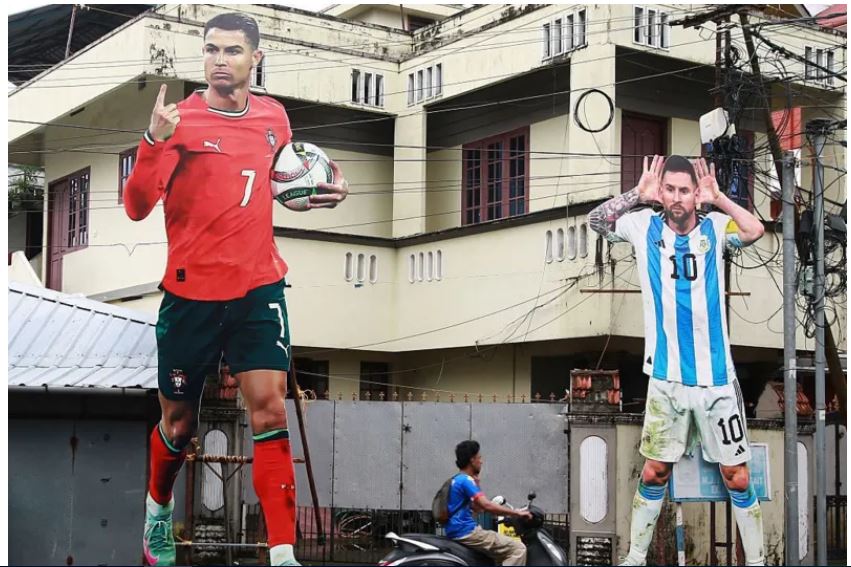
Will India ever play at the FIFA World Cup? That familiar question has resurfaced as the 2026 tournament begins, highlighting a long-running frustration for Indian football fans: the senior men’s team has never progressed beyond the preliminary rounds of Asian qualifiers.
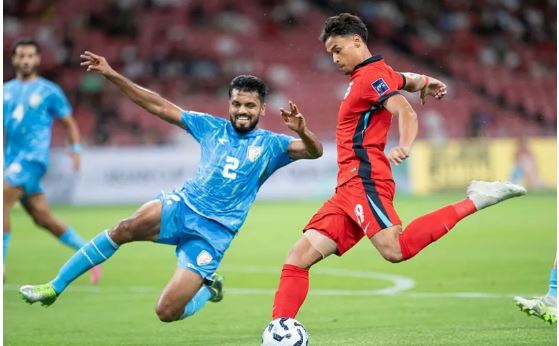
Football enjoys passionate followings in Indian states such as West Bengal, Kerala and Goa, and an increasing number of Indian journalists now cover the World Cup on site yet India remains absent from the finals. Neighbor China faces a similar gap, prompting FIFA to court these vast markets with late media-rights deals. So what stands between India and a World Cup berth?
Former captain Baichung Bhutia believes qualification is possible but insists there are no shortcuts. The expanded 48-team World Cup increases Asia’s slots, yet Bhutia says the missing ingredient is a long-term grassroots system. “India can definitely play [in the World Cup],” he says, “but it will require a lot of hard work and a serious grassroots programme.”

Veteran Shyam Thapa echoes that view: more children need to take up the sport. He warns that middle-class families increasingly push youngsters toward cricket because of lucrative Indian Premier League opportunities, narrowing football’s talent pipeline. “The more young children take to the game, the more the chances of finding brighter talents,” Thapa says.
The scale of the challenge is clear when comparing rankings. Asia’s nine World Cup nations this year Australia, Iran, Japan, Jordan, South Korea, Uzbekistan, Qatar, Saudi Arabia and Iraq include debutants Uzbekistan (52) and Jordan (63). India, by contrast, has slipped to 136th in FIFA’s rankings after declines over the past 18 months.
Since Kalyan Chaubey became AIFF president in 2022, he has warned against unrealistic timelines, saying he would not “sell dreams” of a World Cup in eight years and instead focus on steady progress. Critics argue the federation has underdelivered. The Indian Super League (ISL), once a flagship reform launched in 2014, faced commercial collapse this season after the AIFF failed to secure partners, forcing a curtailed campaign and damaging confidence in the domestic game.
Ambitious programs such as Vision 2047 which pledged to bring 35 million children into football have so far produced limited results. A brief resurgence in 2023 pushed India back into FIFA’s top 100 after regional successes, but subsequent setbacks included failing to reach the third round of AFC World Cup qualifying and missing next year’s AFC Asian Cup.
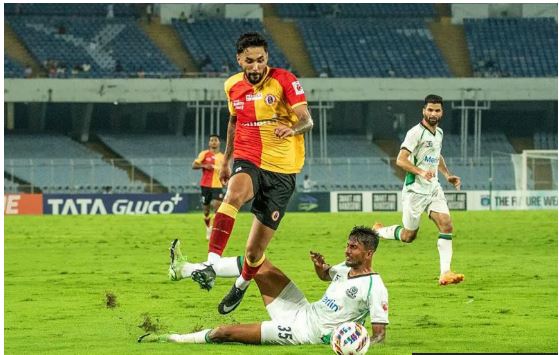
Real progress, experts say, will take time and consistent investment in youth coaching, scouting, women’s football, coaching education and club stability. Incremental gains at the grassroots and professional levels are the most reliable path to change and to a realistic chance of seeing the Blue Tigers on the World Cup stage one day