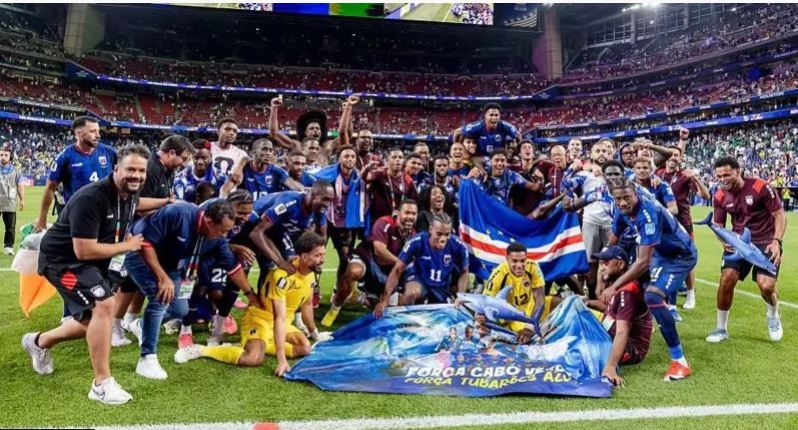
The expanded 48-team World Cup brought fresh formats, new teams and compelling storylines notably Cape Verde’s shock qualification to the last 32 after eliminating Uruguay which supporters and FIFA president Gianni Infantino point to as proof the expansion works. Yet the new group stage also reduced drama for some big nations: allowing third-placed teams to advance and using head-to-head as the primary tiebreaker helped several favorites progress comfortably, with four groups won with a game to spare and five teams eliminated early. The tournament delivered a goal rush the highest scoring World Cup since Sweden 1958 but the balance between inclusivity and competitive tension remains contested. As fans and pundits assess whether the changes improved the spectacle, the key questions are whether the format boosts global football development and whether it can preserve the high-stakes excitement that made previous World Cups so compelling.