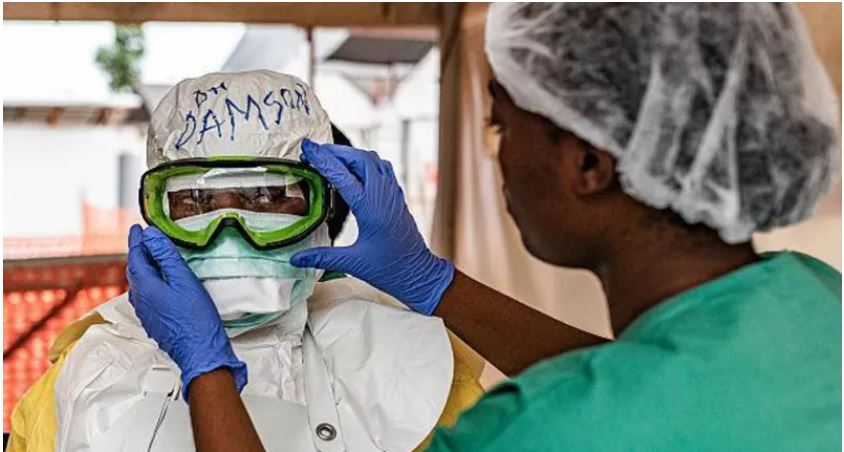
Ebola is a rare but often deadly viral illness that can spark fast-moving outbreaks. The World Health Organization (WHO) has declared the current Ebola outbreak in the Democratic Republic of Congo (DRC) a public health emergency of international concern. This outbreak is especially difficult to control because it involves the uncommon Bundibugyo species of Ebola for which there is no approved vaccine and is centered in a conflict-affected region with displaced populations and porous borders.
What is Ebola and what are the symptoms?
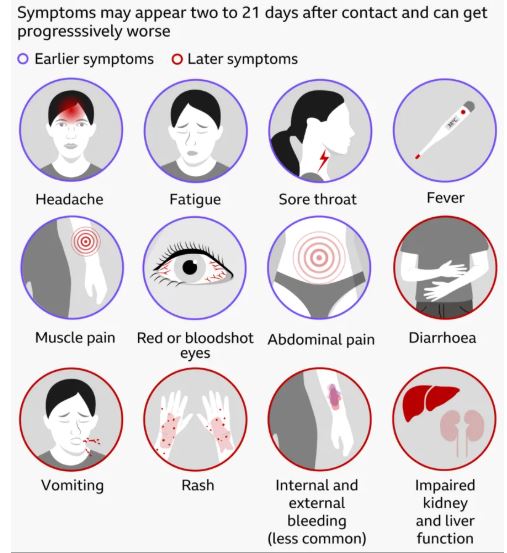
Ebola viruses normally circulate in animals (often fruit bats) and can jump to people who handle or eat infected animals. Human symptoms usually appear within 2 to 21 days and begin like flu or malaria: fever, headache and extreme fatigue. As the disease progresses, patients commonly develop vomiting and diarrhea and can suffer organ failure. Some, but not all, cases involve internal or external bleeding. Ebola spreads through direct contact with infected bodily fluids such as blood, vomit or saliva.
Why this outbreak is hard to stop
- Rare strain: The Bundibugyo species, first identified in Uganda, has caused only two prior outbreaks (2007 and 2012). It appears less deadly than Zaire and Sudan strains estimated fatality roughly one-third in one study versus higher rates for other species but there is no approved vaccine specifically for Bundibugyo. Existing vaccines for the Zaire strain might offer partial protection, and experimental vaccines and treatments are under evaluation.
- Diagnostic limits: Early blood tests used in the affected area were designed to detect the more common Ebola species and initially returned negative, delaying detection.
- No targeted treatments: There are no licensed antivirals specifically for Bundibugyo. WHO has recommended carefully supervised evaluation of the experimental antiviral obeldesivir (developed during COVID-19) to see if it can prevent disease in people exposed to cases.
- Conflict and displacement: The epicentre lies in a conflict zone with hundreds of thousands displaced, frequent changes in control between armed groups, and cross-border movement factors that impede contact tracing, vaccination campaigns and patient transport.
- Accessibility challenges: Poor roads and long travel times to affected towns (for example, a 90 km trip taking more than three hours) slow the emergency response and delivery of supplies.
What this means for global risk
Although WHO has declared a public health emergency, experts say the threat beyond Central and East Africa remains low. Rapid containment in local hotspots through surveillance, safe care for patients, contact tracing, and targeted use of experimental tools where appropriate will determine whether the outbreak is brought under control.