Top Durable Material Choices for Travel Hand Bags
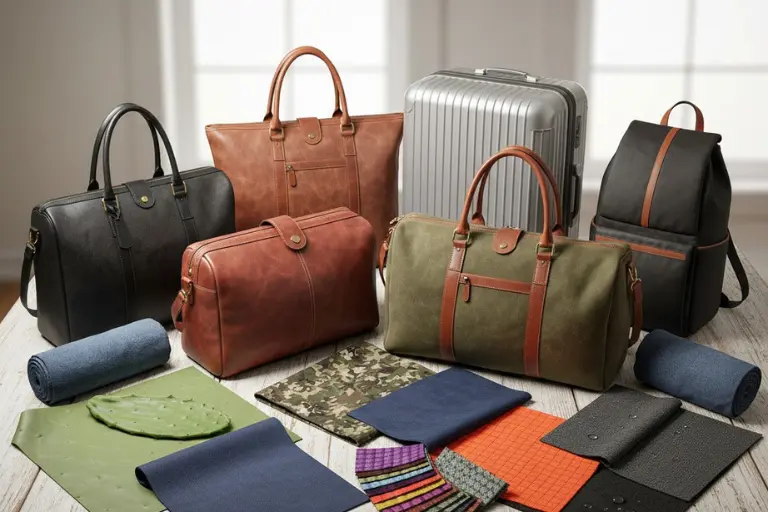
Choosing a travel bag sounds simple until you’ve dealt with broken straps, ripped corners, or a bag that looks worn out after just a few trips. That frustration is exactly why understanding materials matters before you buy. The durable material for travel hand bags you choose directly affects how your bag handles weight, weather, and constant movement, whether you’re navigating busy airports or packing it into a car trunk.
Why Material Matters in Travel Hand Bags
A truly reliable travel bag is not just about style; it is about the strength you can trust. From leather that ages beautifully to modern fabrics designed for water resistance and tear protection, the right material for travel hand bags brings confidence, comfort, and ease to every journey, long or short.
1. Full Grain Leather
Full grain leather is one of the most trusted materials in travel bags. It is made from the top layer of the hide and keeps its natural grain intact, which makes it incredibly strong.
Why this works:
Over time, full grain leather develops a natural full-grain leather patina instead of wearing out. Small scratches blend in rather than ruining the look, which is why leather travel hand bags often age better than synthetic options.
This works best for travelers who want a polished look that still feels sturdy enough for frequent use.
2. Top Grain Leather
Top grain leather is slightly sanded to remove imperfections, making it smoother and lighter than full grain leather while still offering durability.
Why this works:
Stylists often recommend top grain leather for people who want the elegance of leather without the heavier weight. It balances structure and flexibility, making it a practical choice for carry-on travel.
3. Vegetable Tanned Leather
Vegetable tanned leather uses natural tannins instead of chemicals, making it more breathable and environmentally conscious.
4. Heavy Duty Canvas
Canvas travel hand bags are known for their rugged, casual appeal and impressive strength. High-quality canvas uses tightly woven cotton fibers that resist tearing.
Why this works:
Canvas naturally handles abrasion resistance well, especially in high-friction areas like bag bases and corners. It is ideal for road trips, casual flights, and outdoor heavy travel days.
This is a good option if your daily routine involves quick packing and less concern about dressy styling.
5. Waxed Canvas
Waxed canvas takes traditional canvas and adds a protective wax layer for extra durability. These materials work especially well for shorter trips where flexibility matters, which is why they often show up in guides focused on the best travel hand bags for weekend trips.
Why this works:
The wax coating improves water repellency and abrasion resistance without making the bag stiff. This is a good option if your travel style is more relaxed, such as weekend road trips or short getaways where flexibility and easy packing matter more than a structured look. Many travelers appreciate how waxed canvas looks better as it creases and softens with use.
6. Ballistic Nylon
Ballistic nylon was originally designed for military use and is woven using a reinforced grid pattern fabric.
Why this works:
Professionals usually suggest durable materials with structure, and ballistic nylon offers military-grade tear resistance while remaining lightweight. It is a favorite for frequent flyers and business travelers.
7. Cordura Nylon
Cordura is a high-tenacity nylon-based woven material engineered for extreme durability.
Why this works:
This fabric resists scuffs, punctures, and daily wear without adding bulk. Nylon travel hand bags made from Cordura are easy to clean and maintain, which lowers long-term stress.
8. Ripstop Nylon
Ripstop nylon uses a crosshatch weave to prevent small tears from spreading.
Why this works:
That reinforced grid pattern fabric limits damage during rough handling, especially in overhead bins. It works well for people who travel light but move fast.
9. Polyester with TPU Coating
Polyester alone is average, but when combined with a thermoplastic polyurethane (TPU) coating, it becomes far more durable.
Why this works:
The TPU layer adds water resistance and improves surface toughness without making the bag heavy. It also helps bags keep their shape longer during repeated packing.
10. Polycarbonate Shell Material
Some travel hand bags use impact-resistant thermoplastic polymer shells for added protection.
Why this works:
This material absorbs shock rather than cracking, which helps protect electronics or fragile items. It is especially useful for structured hand bags meant for flights.
11. Recycled Nylon
Recycled nylon offers similar durability to virgin nylon while reducing environmental impact.
12. Vegan Leather (PU-Based)
Vegan leather travel hand bags are typically made from polyurethane rather than animal hides.
Why this works:
Plant-based vegan leather has improved significantly in durability. This works best for travelers who want a modern look and prefer low-maintenance materials for occasional trips rather than heavy, frequent travel. While it may not age like leather, modern versions resist peeling and cracking better than earlier designs.
13. Hybrid Material Blends
Some of the best travel hand bags combine multiple materials, such as leather trims with nylon bodies.
Why this works:
Combining materials allows designers to place strength exactly where it is needed most, like reinforced handles and protected bases, while keeping the bag lightweight overall.
Comparing Popular Durable Materials
Leather travel hand bags are best for travelers who value timeless style and long-term use, especially when appearance matters. Canvas travel hand bags suit casual travelers who need flexibility and easy maintenance. Nylon travel hand bags work well for frequent flyers who prioritize lightweight durability and weather resistance. Vegan leather travel hand bags appeal to those looking for ethical and modern alternatives with moderate durability. Material is only one factor. Shape, size, and carry style also influence comfort, which is why different types of travel hand bags suit different travel routines.
Each option serves a different lifestyle, and the right choice depends on how often and how hard you travel.
Common Mistakes People Make When Choosing Bag Materials
One common mistake is choosing a bag based only on looks, ignoring how the material handles weight and friction. Another is assuming all leather or nylon is the same quality, when construction and coating make a big difference. People also often overlook climate, which affects how materials age over time.
In real travel conditions, matching material to travel habits is more important than following trends.
Expert Style and Durability Insights
Stylists often recommend checking stress points like handles, corners, and zipper bases first, because even durable materials fail if construction is weak. In real, year-round use, water-resistant finishes also matter more than most shoppers expect, especially for bags exposed to changing weather and frequent movement. Materials that maintain their structure and appearance without relying on trends usually remain practical and usable far longer
Conclusion
Choosing the right material is one of the smartest decisions you can make when choosing the best travel hand bag. The best options combine strength, comfort, and ease of maintenance, helping you feel confident and organized on every trip. A well-made bag in a durable material becomes a long-term travel companion rather than a short-term purchase. When the material works with your lifestyle, travel simply feels easier.
Frequently Asked Questions (FAQs)
1. What is the best material for travel bags?
The best material depends on how you travel. Leather works well for long-term use and style, while nylon and canvas suit frequent, casual, or weather-heavy travel.
2. What is the most durable material for luggage?
Ballistic nylon and polycarbonate are among the most durable options. They handle impact, weight, and rough handling better than most standard fabrics.
3. What is the most durable material for hand bags?
Full grain leather and high-quality nylon are the most durable for hand bags. Both hold their shape well and resist daily wear when properly constructed.
4. What is the most durable backpack material?
Cordura nylon is one of the strongest backpack materials. It resists tearing, scuffing, and heavy use without adding unnecessary weight.
5. What is the most durable luggage material?
For frequent travel, polycarbonate shells and ballistic nylon fabrics perform best. They absorb impact and maintain structure through repeated trips.