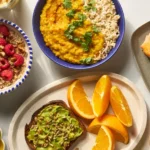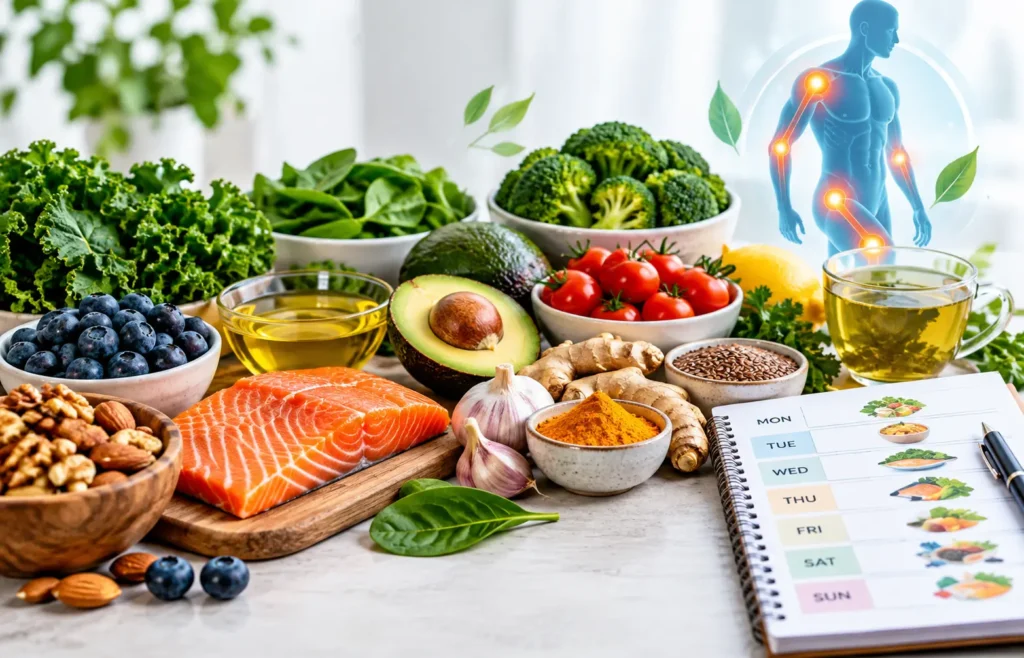
Many people hear the word inflammation and think it is always bad. In reality, it is a normal part of how your body heals. The trouble starts when low level inflammation stays switched on for a long time. While food is only one piece of the puzzle, the choices on your plate can support a healthier body. This guide explains the best anti inflammatory foods, how to enjoy them every day and how to build a simple weekly plan without a big budget.
It is written for readers in the USA, UK, Australia and Europe, so the ideas use ingredients that are easy to find in most supermarkets.
Quick Answer: What Are the Best Anti Inflammatory Foods?
The best anti inflammatory foods include oily fish, berries, leafy greens, extra virgin olive oil, nuts, beans, whole grains and tomatoes. These foods are rich in fibre, healthy fats and plant compounds called antioxidants. Eating them regularly, while limiting sugary drinks and ultra processed snacks, supports a balanced diet and overall wellbeing.
What Is Inflammation and Why Does Food Matter?
Inflammation is your immune system’s response to injury or infection. If you cut your finger or catch a cold, you may notice redness, warmth or swelling. This is acute inflammation, and it is helpful because it protects you.
Chronic inflammation is different. It is a long lasting, low level response that can be linked with lifestyle factors such as an unbalanced diet, lack of exercise, poor sleep, stress and smoking. Health organisations including Harvard Health and the NHS note that long term inflammation is associated with several chronic conditions. This does not mean food can cure or prevent any illness. It means that a healthy eating pattern is one useful tool that works alongside movement, rest and medical care.
It also helps to think about patterns, not single foods. No one berry or spice will change your health. What matters is what you eat most of the time.
For more everyday wellness guides, visit our Lifestyle section.
The Eating Pattern Experts Often Recommend
When researchers talk about anti inflammatory eating, they often point to the Mediterranean style of eating. It is based on vegetables, fruit, beans, whole grains, nuts, olive oil and fish, with smaller amounts of red meat, sweets and processed foods. The same basic ideas appear in the NHS Eatwell Guide and in the Dietary Guidelines for Americans from the US government.
You can read the official advice on the NHS Eatwell Guide and on the Dietary Guidelines for Americans website.
15 Best Anti Inflammatory Foods to Add to Your Plate
You do not need to buy all of these at once. Choose a few that you enjoy and build from there.
1. Oily Fish
Salmon, sardines, mackerel and trout are rich in omega 3 fats. Many health bodies, including the NHS and the American Heart Association, suggest eating fish twice a week, with at least one portion being oily. Tinned sardines and canned salmon are budget friendly choices that keep for months.
2. Berries
Blueberries, strawberries, raspberries and blackberries contain plant compounds called anthocyanins, which give them their rich colour. Frozen berries are just as useful as fresh ones and are often cheaper. Add them to porridge, yoghurt or smoothies.
3. Leafy Greens
Spinach, kale, rocket and chard provide vitamins, minerals and fibre. Add a handful to soups, pasta sauces or omelettes. Cooking them slightly makes them easier to eat in larger amounts.
4. Extra Virgin Olive Oil
Olive oil is the main fat in the Mediterranean way of eating. Use it for dressings, drizzling over vegetables or gentle cooking. It is still high in calories, so a tablespoon or two a day is usually enough for most people.
5. Nuts and Seeds
Walnuts, almonds, flaxseeds and chia seeds provide healthy fats and fibre. A small handful of unsalted nuts makes a filling snack. Ground flaxseed can be stirred into oats or yoghurt.
6. Beans, Lentils and Chickpeas
Pulses are cheap, filling and packed with fibre and plant protein. Tinned varieties save time. Try lentil soup, chickpea salad or a simple bean chilli. Rinse tinned beans to reduce the salt.
7. Whole Grains
Oats, brown rice, whole wheat bread, barley and quinoa contain more fibre than refined grains. Fibre feeds the helpful bacteria in your gut. Many guidelines suggest around 25 to 30 grams of fibre a day, though most adults eat less.
8. Tomatoes
Tomatoes contain lycopene, a natural pigment. Cooked tomatoes, such as in sauce or soup, give you more lycopene that your body can use, especially when eaten with a little olive oil.
9. Garlic and Onions
These kitchen staples add flavour so you can use less salt. They are easy to add to almost any savoury dish and are also part of many traditional healthy cuisines.
10. Green Tea
Green tea contains plant compounds called catechins. It is a good swap for sugary drinks. Keep an eye on caffeine if you are sensitive, and avoid drinking it too late in the day.
11. Turmeric and Black Pepper
Turmeric is popular in curries and golden milk. Its main compound, curcumin, has been studied for its effects on inflammation, but results in people are mixed, and the amount in food is small. Enjoy it for flavour rather than as a cure. If you want to take supplements, talk to a doctor or pharmacist first.
12. Ginger
Ginger adds warmth to teas, stir fries and soups. Read our guide on what happens to your body when you eat ginger every day for a month to learn more about how it may fit into your routine.
13. Avocado
Avocados provide healthy unsaturated fats and fibre. Spread some on whole grain toast or add slices to salads. They are creamy and filling, which can help you feel satisfied between meals.
14. Colourful Peppers and Other Vegetables
Red, yellow and orange peppers, carrots, broccoli and sweet potatoes provide a wide range of vitamins and antioxidants. A good rule is to eat a variety of colours across the week.
15. Eggs and Yoghurt
Plain yoghurt, including Greek or natural varieties, offers protein and calcium, and some types contain live cultures. Eggs are an affordable source of protein. If you like simple kitchen tips, you may enjoy our article on why you should not pour out boiled egg water.
Foods to Limit if You Want to Eat Anti Inflammatory
Adding good foods is only half the picture. It also helps to eat less of the foods that tend to crowd out healthier choices.
Sugary drinks such as soda, sweetened juices and energy drinks add a lot of sugar with little nutrition. Swapping them for water, sparkling water or unsweetened tea is one of the easiest changes you can make.
Ultra processed snacks, such as packaged biscuits, crisps and sugary breakfast cereals, are often high in refined starch, salt and added sugar. Keep them as occasional treats.
Processed meats, including bacon, sausages and deli meats, are linked by health agencies to higher health risks when eaten often. Try to eat them less and choose fish, beans or poultry more often.
Refined carbohydrates, such as white bread and pastries, digest quickly and offer less fibre. Choose whole grain versions when you can.
Alcohol should be kept within national guidelines, or avoided if you prefer. Heavy drinking can harm health in many ways.
A Simple 7 Day Anti Inflammatory Meal Plan
Here is a flexible example. Swap meals around to suit your tastes and budget.
Day 1: Porridge topped with berries and walnuts. Lentil soup with whole grain bread. Baked salmon with roasted vegetables and brown rice.
Day 2: Greek yoghurt with chia seeds and sliced fruit. Chickpea salad with olive oil and lemon. Vegetable stir fry with tofu and noodles.
Day 3: Scrambled eggs with spinach on whole wheat toast. Tuna and bean salad. Chicken and vegetable traybake with sweet potato.
Day 4: Smoothie with frozen berries, oats and milk or a plant drink. Tomato soup with a side salad. Sardines on toast with a green salad.
Day 5: Overnight oats with grated apple and cinnamon. Hummus and vegetable wrap. Bean chilli with brown rice and avocado.
Day 6: Wholegrain toast with avocado and a boiled egg. Minestrone soup. Grilled fish with quinoa and steamed broccoli.
Day 7: Pancakes made with oats and banana, served with berries. Mixed vegetable and lentil curry. Homemade pizza on a whole wheat base with lots of vegetables.
For snacks, try fruit, a small handful of nuts, plain yoghurt, carrot sticks with hummus or a piece of dark chocolate with a high cocoa content.
Easy Weekly Shopping List
Here is a simple list to help you plan your trip.
For produce, buy leafy greens, tomatoes, peppers, broccoli, carrots, onions, garlic, lemons and any berries or fruit in season. Frozen vegetables and berries are good backups.
For protein, choose oily fish or tinned sardines, eggs, plain yoghurt, tofu, lentils, chickpeas and beans.
For the pantry, stock rolled oats, brown rice, whole wheat pasta or bread, extra virgin olive oil, nuts, seeds, herbs, spices and green tea.
A tidy kitchen makes healthy cooking easier. For storage and organisation ideas, see our Home and Aesthetic section.
How to Eat Well on a Budget
Healthy eating does not have to cost a lot.
Buy frozen and tinned foods. Frozen vegetables, frozen berries, tinned fish and dried beans are cheap, last a long time and are very nutritious.
Cook in batches. A large pot of soup or chilli can feed you for several meals and costs little per portion.
Shop seasonally. Fruit and vegetables are often cheaper and tastier when they are in season locally.
Plan before you shop. A short list reduces impulse buys and food waste.
Common Mistakes to Avoid
Some habits can make healthy eating harder than it needs to be.
Relying on a single superfood is one. No one ingredient can fix a diet. Variety matters more.
Cutting out whole food groups without advice is another. Unless a doctor or dietitian has told you to, you generally do not need to avoid grains, dairy or fruit.
Believing every wellness trend online is also risky. Be wary of products that promise to cure or detox your body. Your liver and kidneys already do that job.
Finally, do not forget the other habits that influence inflammation, such as regular movement, enough sleep, stress management and not smoking.
Small Daily Habits That Help
Drink water through the day. Add a vegetable to every meal. Choose fruit as a dessert on most days. Walk for about 30 minutes when you can. Read food labels and compare salt and sugar per 100 grams. Change one meal at a time rather than overhauling everything overnight.
When to Speak to a Health Professional
If you have a long term condition, take regular medication, are pregnant, have a food allergy or are thinking about supplements, speak to a doctor or registered dietitian before changing your diet. Persistent joint pain, swelling or unexplained fatigue should be checked by a qualified professional.
This article is for general information only and is not medical advice. Food cannot cure or prevent any disease, and results vary from person to person.
Final Thoughts
Eating anti inflammatory foods is not about strict rules. It is about filling your plate with colourful vegetables, fruit, whole grains, beans, nuts, fish and olive oil most of the time, and enjoying treats in moderation. Start with two or three of the foods above this week and build your routine slowly. Small, steady changes are easier to keep and are good for your long term health.
Frequently Asked Questions
What are the top anti inflammatory foods?
Oily fish, berries, leafy greens, extra virgin olive oil, nuts, beans, whole grains and tomatoes are among the most recommended. They are part of balanced eating patterns such as the Mediterranean diet.
Can food really reduce inflammation?
A healthy eating pattern may support your body’s normal processes and overall health, but food is not a cure for any condition. Combine good nutrition with exercise, sleep and medical care when needed.
What foods should I avoid for inflammation?
Try to limit sugary drinks, ultra processed snacks, processed meats, refined carbohydrates and heavy alcohol use. Occasional treats are fine within a balanced diet.
Is coffee anti inflammatory?
Coffee contains antioxidants, and moderate intake is part of many healthy diets. Effects vary between people, and too much caffeine can affect sleep and anxiety. Add sugar and cream sparingly.
How long does it take to feel a difference?
It varies. Some people notice better energy and digestion within a few weeks, while changes in health markers take longer. Focus on steady habits and ask a professional about your own goals.